

(१) News related to events and topics or subjects or issues:
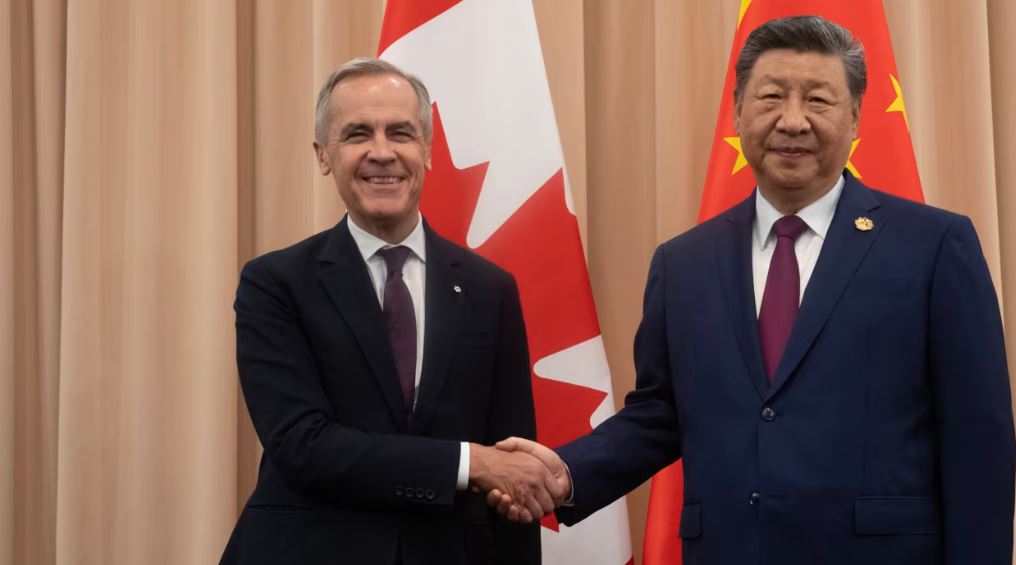
In a remarkable diplomatic turn, Canada and China appear to be rebuilding ties after years of hostility. The two nations’ relationship deteriorated sharply in 2018 when Canada arrested Huawei executive Meng Wanzhou on U.S. fraud charges, leading China to detain two Canadians, Michael Kovrig and Michael Spavor, on espionage accusations. The tensions lasted nearly three years, poisoning bilateral relations. Recently, however, the situation has shifted. Canada’s Foreign Minister Anita Anand met her Chinese counterpart Wang Yi in Beijing, followed by a landmark meeting between Prime Minister Mark Carney and President Xi Jinping during the Asia-Pacific Economic Cooperation (APEC) summit in South Korea — the first such encounter in eight years. Both leaders pledged to restore trust and strengthen cooperation in trade and tourism, with China reinstating Canada to its approved travel list. These developments mark a cautious but visible thaw in the once-frozen Canada–China relationship.
(२) Causes of events and topics or subjects or issues:
The rapprochement between Canada and China is largely driven by economic necessity and geopolitical pressure. Canada has found itself caught between two global powers — the United States and China — amid escalating trade disputes. After imposing a 100% tariff on Chinese electric vehicles alongside the U.S., China retaliated with heavy tariffs on Canadian agricultural products, particularly canola, severely impacting Canadian farmers. Meanwhile, tensions with the U.S. worsened after President Donald Trump halted trade talks with Canada, framing its economic policies as unfriendly. Facing tariffs from both Washington and Beijing, Canada can no longer afford trade conflicts with two of the world’s largest economies. Experts such as Lynette Ong and Fen Hampson note that Canada’s shift toward China reflects a pragmatic response to economic vulnerability. Beijing, for its part, seeks to drive a wedge between Canada and the U.S., exploiting divisions among Western allies to advance its global ambitions and ease the pressure of U.S.-led trade restrictions.
(३) Lessons to be learned from events and topics or subjects or issues:
The rekindling of diplomatic and economic relations between Canada and China offers several important lessons. It shows how economic dependence and shifting global power dynamics can reshape foreign policy, even between nations with deep mistrust. Canada’s outreach to China demonstrates the need for middle powers to maintain flexibility and balance in an era of great-power rivalry. However, experts like Michael Kovrig and Brian Wong caution that any renewed cooperation with Beijing will come with conditions, including pressure to mute criticism over issues like Taiwan and human rights. The episode teaches that while pragmatic diplomacy may bring short-term economic relief, it can also risk long-term strategic autonomy. Ultimately, Canada’s challenge lies in finding a delicate balance between economic survival and moral principles, ensuring that engagement with China strengthens its position without compromising national values or alliances with traditional partners like the United States.