(१) News related to events and topics
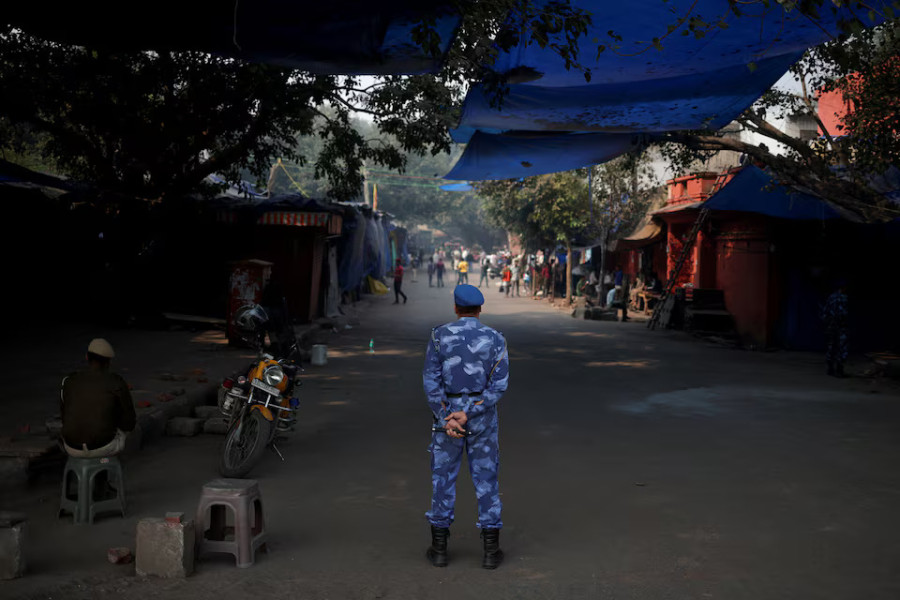
Indian authorities are investigating a possible link between a deadly car blast in Delhi that killed eight people and the earlier arrest of seven men in Kashmir. The blast, the first of its kind in the heavily guarded capital in over a decade, is being probed under anti-terrorism laws. In a separate operation hours before the explosion, police in Jammu and Kashmir arrested seven individuals, including two doctors, seizing a significant cache of weapons and bomb-making material, and alleging the group was in contact with Pakistan-based militant organizations.
(२) Causes of events and topics
The incident is rooted in the long-standing and complex insurgency in the Kashmir region, which India alleges is supported by Pakistan—a charge Islamabad denies. The investigation is focused on uncovering a “white collar terror ecosystem,” suggesting that radicalized professionals and students are being recruited by foreign handlers. The specific cause of the Delhi blast is under investigation, with probes examining potential connections, including whether the car’s driver was a doctor and colleague of one of the arrested individuals, pointing to a network that extends beyond Kashmir’s borders.
(³) Lessons to be learned from events and topics
This event highlights the evolving nature of security threats, where terror networks can involve educated professionals and operate across state lines, making them harder to detect. It underscores the critical need for robust intelligence-sharing and coordinated operations between different state and federal agencies to dismantle such diffuse cells. Furthermore, the situation demonstrates how regional conflicts, such as the dispute over Kashmir, can fuel violence that spills into major population centers, threatening national security and stability.