

(1) News Related to Events and Topics / Subjects / Issues
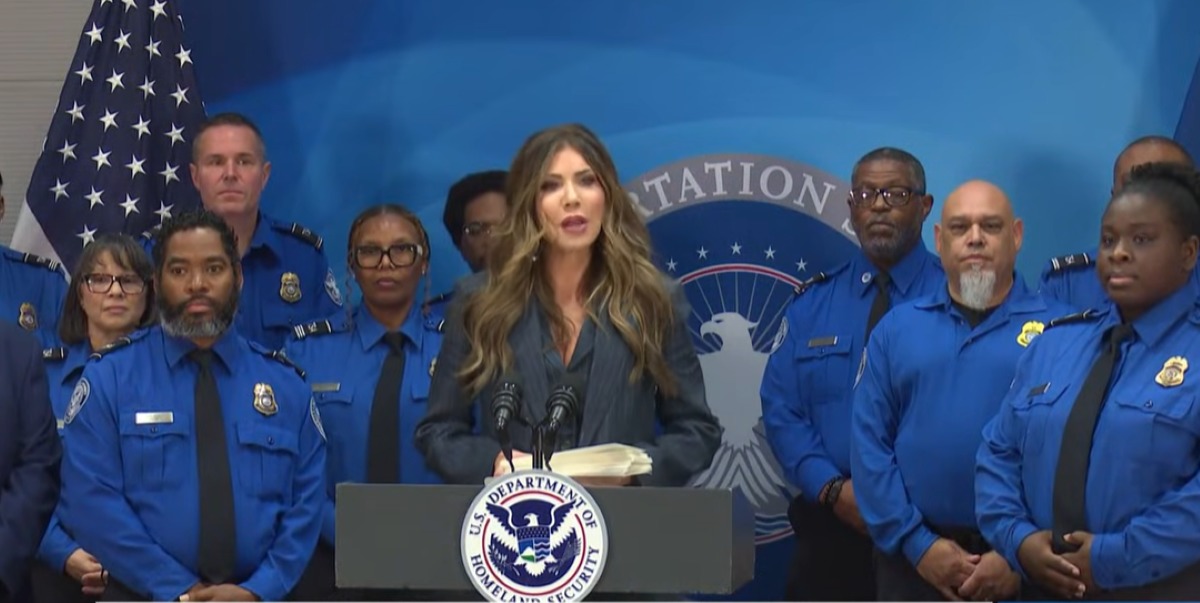
The United States has ended the longest government shutdown in its history—lasting 42 days—after President Donald Trump signed a bill funding the government through January 30, 2026. Following the shutdown’s conclusion, Homeland Security Secretary Kristi Noem announced $10,000 bonuses for TSA employees who continued working without pay. During a press event at Bush Airport in Houston, she personally distributed checks and recognized staff such as TSA agent Rico Walker for extraordinary dedication. The shutdown’s resolution involved bipartisan voting in both chambers of Congress, reinstatement of terminated federal workers, and guarantees of back pay.
(2) Causes of Events and Topics / Subjects / Issues
The shutdown was prolonged due to deep partisan divisions in Congress over federal funding, with Republicans largely supporting the funding bill and most Democrats initially opposing it. The final breakthrough in the Senate occurred only after Democrats secured a commitment for a future vote on extending Affordable Care Act premium tax credits, which were nearing expiration and impacting many Americans. The shutdown also highlighted tensions over key programs such as SNAP, which faced potential disruption due to depleted funds. Meanwhile, TSA employees were compelled to work without pay, prompting DHS to later recognize their contributions.
(3) Lessons to Be Learned From Events and Topics / Subjects / Issues
This episode underscores the national consequences of political gridlock and the need for bipartisan cooperation to protect essential public services. The dedication of TSA staff during the shutdown demonstrates the importance of supporting frontline federal workers who maintain public safety even during crises. The shutdown also reveals the risks of delaying critical funding decisions, as millions could have been affected by interruptions to programs like SNAP. Finally, the situation shows that long-term policy negotiations—such as those over health care tax credits—must be handled with foresight to prevent unnecessary hardships for both government employees and the public.