

(१). News related to events and topics or subjects or issues:-
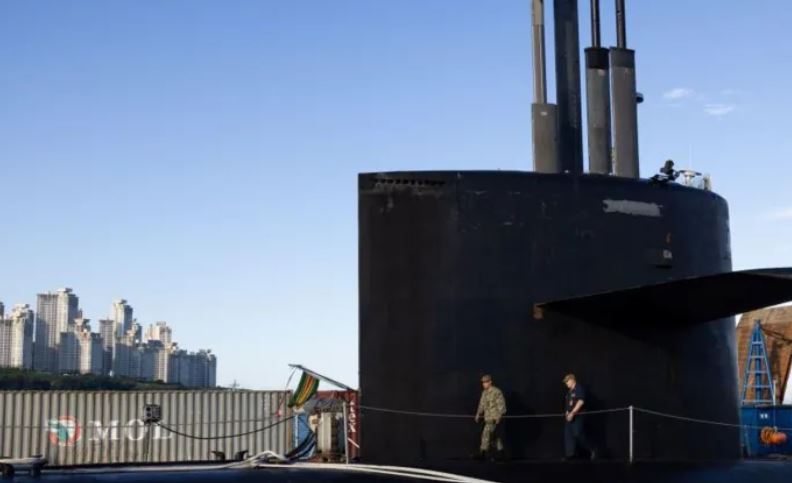
South Korea has finalised a major defence agreement with the United States to build nuclear-powered attack submarines, marking a significant upgrade from its current diesel-powered fleet. The White House confirmed that the US has approved the project and will cooperate in sourcing nuclear fuel. This announcement comes amid rising regional tensions involving North Korea’s nuclear ambitions and China’s military expansion. The agreement follows a broader US–South Korea trade deal that reduced tariffs from 25% to 15% after Seoul committed to $350bn in US investments. The submarines are expected to be built at a Philadelphia shipyard run by the South Korean conglomerate Hanwha.
(२). Causes of events and topics or subjects or issues:-
The key drivers of this agreement include:
-
North Korea’s growing threat, especially its revelation of a nuclear submarine programme.
-
South Korea’s strategic need for stealthier, faster, and longer-operating submarines that nuclear propulsion provides.
-
US–South Korea geopolitical cooperation, strengthened through trade deals and mutual security concerns.
-
Regional security competition, with China expanding its naval presence in East Asia.
-
South Korea’s limited nuclear fuel capabilities, making US cooperation necessary due to past restrictions on uranium enrichment.
Together, these factors pushed both nations to deepen their military and technological partnership.
(३). Lessons to be learned from events and topics or subjects or issues:-
This development highlights how national security threats shape international alliances. It shows the importance of technological advancement in military defence, especially in regions facing nuclear-armed adversaries. The agreement underscores that diplomatic negotiation—such as tariff reductions and investment commitments—often goes hand-in-hand with strategic military cooperation. It also demonstrates the growing role of nuclear-powered technology in modern defence and the need for nations to adapt to evolving threats. Finally, it reflects how stability in Northeast Asia depends on collaboration, preparedness, and maintaining deterrence in the face of rising regional tensions.