

(१). News related to events and topics or subjects or issues:-
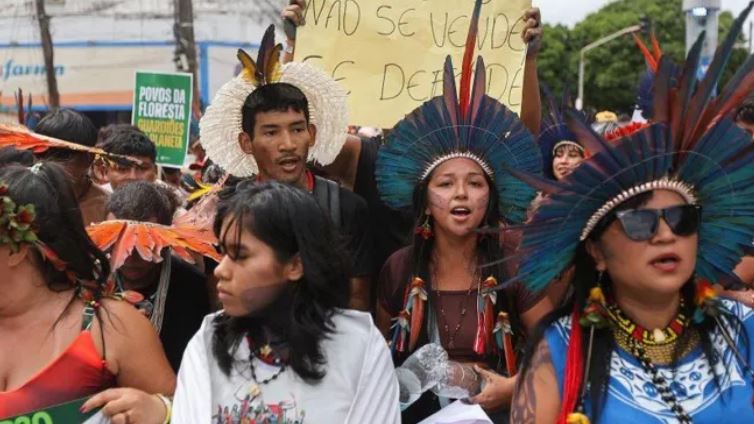
Thousands of climate protesters marched in Belém, Brazil, outside the COP30 climate talks, marking the first time since 2021 that demonstrations have been permitted outside the UN climate summit. Protesters carried giant coffins labelled Oil, Coal, and Gas, symbolising a “funeral for fossil fuels,” while Indigenous groups, youth activists, and environmental organisations from around the world demanded urgent action on climate change. The march occurred amid tight security, with police guarding the venue, and followed an incident earlier in the week where protesters broke through security lines, causing minor injuries and damage.
Amid the protests, COP30 negotiations continued with nearly 200 countries discussing strategies to move away from fossil fuels. The summit has been criticised for slow progress, record attendance by fossil fuel lobbyists, and lack of representation for Indigenous communities. Brazil’s President Lula da Silva is hosting the talks in the Amazonian city, though controversy arose after approving oil exploration near the Amazon River’s mouth shortly before the summit.
(२). Causes of events and topics or subjects or issues:-
The demonstrations stem from multiple concerns:
-
Ongoing climate inaction, with protesters claiming COP meetings talk more than they act.
-
Fossil fuel expansion, including Brazil’s approval of new oil exploration in the Amazon.
-
Representation issues, as Indigenous groups feel ignored despite COP30 being branded the “Indigenous People’s COP.”
-
Growing climate impacts, especially for frontline countries like Samoa and Amazonian communities.
-
Record fossil fuel lobbying, with 1,600 industry delegates attending, raising fears of policy influence.
-
Absence of the United States, which has sent no delegation for the first time, slowing global progress.
-
Long-standing concerns over climate disinformation and weak implementation of past climate pledges.
These factors have contributed to widespread frustration, fueling global and local protests.
(३). Lessons to be learned from events and topics or subjects or issues:-
-
Climate commitments require real action, not symbolic discussions. Protesters highlight that without enforcement and implementation, international agreements lose credibility.
-
Indigenous communities must be centred in climate solutions, as they are proven defenders of biodiversity yet often excluded from decision-making.
-
Public participation and accountability are crucial: allowing protests ensures transparency and pressure on negotiators.
-
Expanding fossil fuel operations contradicts climate goals, undermining trust in governments hosting climate talks.
-
Political unity is essential—major powers’ absence or disengagement slows global progress.
-
Combatting climate disinformation is vital for informed policy and public understanding.