
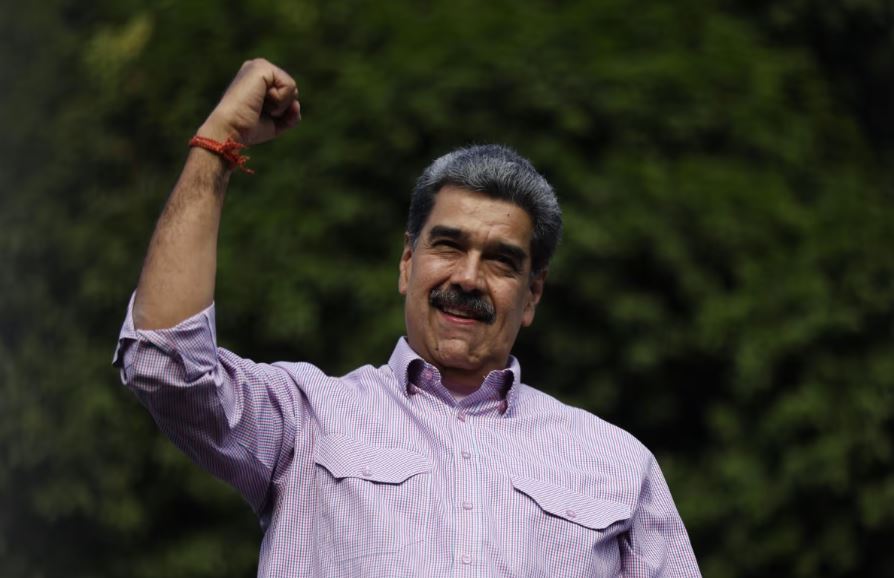
What would it take for Nicolas Maduro to give up power? An awful lot, experts say
(१) News related to events and topics or subjects or issues :-
Venezuelan President Nicolás Maduro faces intense international pressure, including a $50 million bounty on his head, active CIA operations in Caracas, and US forces mobilizing in the Caribbean. Prominent commentators and politicians across the Americas are debating his fate, with some advocating for his outright removal, while others consider the possibility of a negotiated exit. Recently, Colombia’s foreign minister suggested that Maduro could leave voluntarily in a transition that avoids jail and allows for legitimate elections, though Colombia clarified it does not seek to interfere in Venezuela’s internal affairs.
(२) Causes of events and topics or subjects or issues :-
Maduro’s precarious position stems from political, legal, and international pressures. His disputed re-election in 2024 went largely unrecognized by the Western world, and the United States has accused him of heading a criminal organization known as “el Cartel de los Soles,” which was recently labeled a terrorist group by the Trump administration. Domestically, opposition leaders such as Maria Corina Machado have gained international recognition, including a Nobel Peace Prize, increasing challenges to Maduro’s authority. These factors, combined with US military and intelligence pressure, have intensified speculation about whether Maduro could be forced out or might negotiate a transition.
(३) Lessons to be learned from events and topics or subjects or issues :-
This situation highlights the complexity of political leadership under international scrutiny and internal opposition. It demonstrates that deposing entrenched leaders involves not only external pressure but also domestic legitimacy and negotiation channels. The Venezuelan case underscores the risks and challenges of foreign intervention, the importance of credible elections, and the role of public and international opinion in shaping political outcomes. Ultimately, the stability and future of a nation depend on both internal governance and careful diplomatic engagement.