

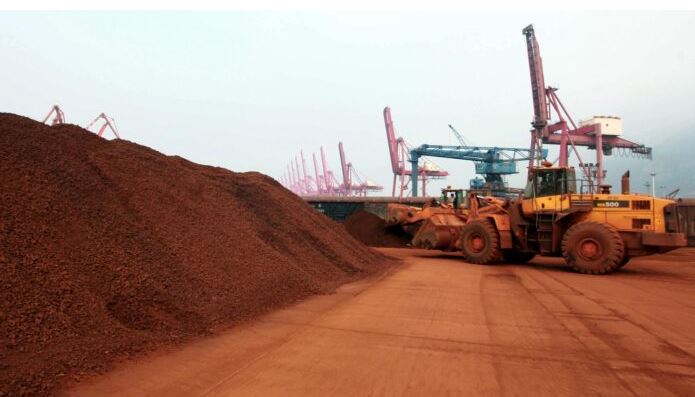
U.S. Aims for Rare Earth Independence With New Processing Initiatives
(१) News related to events and topics or subjects or issues :-
Rare-earth elements, such as neodymium and dysprosium, are critical components in modern technology, including smartphones, electric vehicles, and medical imaging devices. Despite their name, these elements are not extremely scarce, but the challenge lies in extraction and refinement. Currently, China dominates nearly 90% of global processing and refining, creating a bottleneck for other countries. The high demand from electric vehicle motors, military applications, and other industries has intensified the need for secure and sustainable supply chains.
(२) Causes of events and topics or subjects or issues :-
China’s dominance in rare-earth production stems from historical advantages and environmental constraints in the U.S. During the 1980s, environmental challenges at California’s Mountain Pass mine led to frequent operational halts, allowing China to overtake global production. Today, China controls about 60% of the global supply and imposes export controls that require foreign companies to secure licenses for products containing Chinese-sourced rare earths. The U.S. has sufficient reserves but lacks advanced domestic processing capabilities, prompting federal investments and partnerships with companies like ReElement Technologies, MP Materials, and Vulcan Elements to reduce reliance on Chinese supply.
(३) Lessons to be learned from events and topics or subjects or issues :-
The situation highlights the strategic importance of rare-earth elements and the need for domestic self-sufficiency in critical technologies. Developing sustainable and eco-friendly processing methods, as pursued by ReElement and Vulcan Elements, demonstrates the value of innovation in addressing environmental and geopolitical challenges. Federal investments, such as funding for ReElement and MP Materials, underscore the role of government support in securing supply chains. This case emphasizes that technological leadership requires not only resource availability but also investment in processing infrastructure, sustainability, and strategic planning.
https://www.youtube.com/@ScientificTelevisionAmerica