

(१). News related to events and topics or subjects or issues:
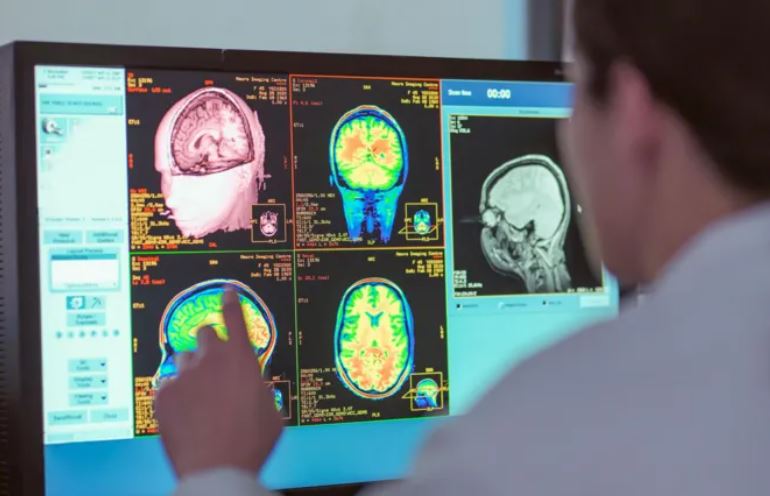
Scientists have revealed that the human brain goes through five distinct phases in life, with key turning points at ages nine, 32, 66, and 83. Around 4,000 people up to the age of 90 had brain scans to study the connections between their brain cells. Researchers at the University of Cambridge found that the brain remains in the adolescent phase until our early thirties, when it reaches its peak. The study highlights that the brain is constantly changing in response to new knowledge and experiences, but these changes do not follow a smooth, continuous pattern. Instead, the brain progresses through five phases: Childhood (birth to nine), Adolescence (nine to 32), Adulthood (32 to 66), Early Ageing (66 to 83), and Late Ageing (83 onwards).
(२). Causes of events and topics or subjects or issues:
The study shows that the brain undergoes specific structural and functional changes at different ages. During childhood, the brain grows rapidly but also thins out excess connections, making it less efficient. From age nine, the brain enters adolescence, marked by a period of heightened efficiency and the highest risk of mental health disorders. Adulthood brings relative stability, while early ageing involves shifts in brain connectivity, leading to regions operating more independently—a pattern that can be linked to dementia and other health conditions. Late ageing continues these changes in a more pronounced way. These phases are influenced by biological milestones such as puberty, parenthood, and health-related factors like high blood pressure.
(३). Lessons to be learned from events and topics or subjects or issues:
Understanding the brain’s phases helps explain why risks for mental health disorders, neurological conditions, and dementia vary throughout life. This research emphasizes that brain development and ageing are dynamic processes, with each phase having unique characteristics that affect cognition, behavior, and health. The findings also highlight the importance of supporting brain health across the lifespan and recognizing that not everyone will experience these changes at the exact same ages. Experts describe the study as significant for understanding how brain wiring impacts attention, memory, language, and overall behavior, providing a clearer picture of lifelong neurological development.