

(१). News Related to Events and Topics or Issues
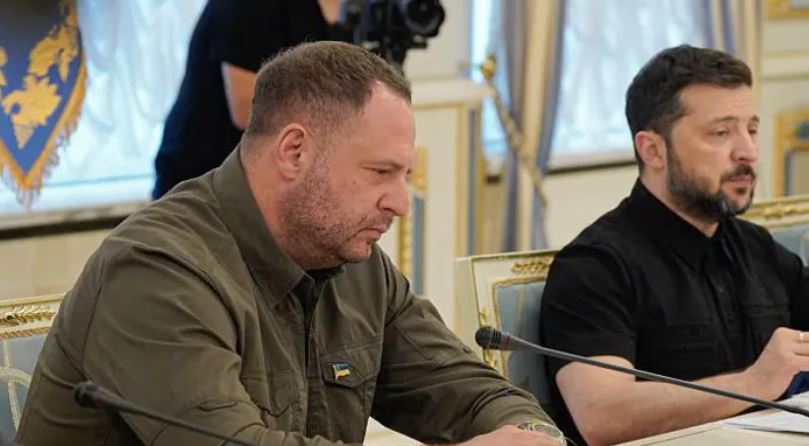
Ukraine’s anti-corruption agencies, including the National Anti-Corruption Bureau (Nabu), have begun searching the apartment of President Volodymyr Zelensky’s chief of staff, Andriy Yermak. The searches were authorised as part of a major corruption scandal involving several senior public officials, although neither Zelensky nor Yermak has been accused of wrongdoing. Yermak confirmed that officials from Nabu and the specialised anti-corruption prosecutor’s office (Sap) were carrying out “procedural actions” at his home with his full cooperation. The investigation comes at a sensitive moment, with US Army Secretary Dan Driscoll due to arrive in Kyiv and peace negotiations involving the US and Russia intensifying. Meanwhile, the scandal has shaken Ukrainian politics, leading to ministerial dismissals and growing public calls for Yermak’s resignation.
(२). Causes of Events and Topics or Issues
The current searches stem from a $100 million embezzlement scandal linked to Ukraine’s energy sector, where investigators uncovered an extensive kickback scheme involving state-owned companies such as nuclear energy firm Enerhoatom. The scandal has implicated several figures close to Zelensky, triggering public outrage—particularly as funds were allegedly diverted from crucial infrastructure projects needed to protect Ukraine’s power grid amid ongoing Russian attacks. Domestically, concerns over corruption have intensified pressure on Yermak, whose influence within the government has long been criticised. Internationally, the scandal has raised alarm among EU partners evaluating Ukraine’s commitment to anti-corruption reforms, especially as Russia amplifies the allegations to weaken Ukraine’s negotiating position.
(३). Lessons to Be Learned from Events and Topics or Issues
The situation highlights the urgent need for transparent, independent, and depoliticised anti-corruption investigations, especially in a country at war and seeking EU membership. Strong governance and accountability are essential not only for public trust but also for Ukraine’s diplomatic strength during peace negotiations. The case also demonstrates how corruption scandals can undermine national unity, weaken leadership credibility, and provide strategic advantages to adversaries such as Russia. For long-term stability, Ukraine must ensure that officials at every level are held accountable, maintain clear oversight over state enterprises, and continue strengthening anti-corruption institutions to meet both domestic expectations and international standards.