

(१) News related to events and topics or subjects or issues
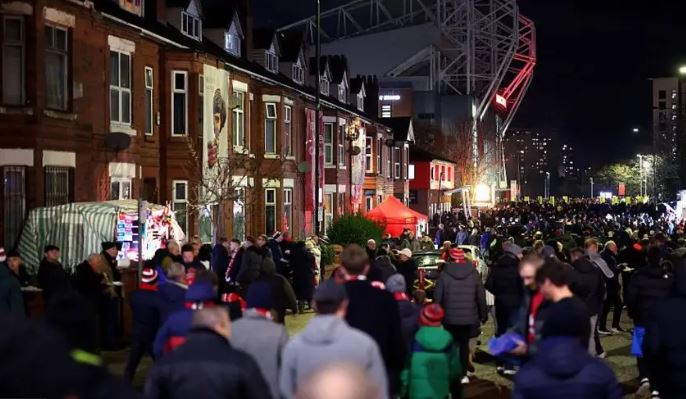
Manchester United is facing a major crisis involving large-scale ticket touting, which has caused intimidation of staff and widespread distress among fans. Many supporters have discovered that the expensive tickets they purchased—sometimes for £800–£900—were fake or resold multiple times, leaving them unable to enter matches at Old Trafford or away grounds. Despite ticket resale being illegal in the UK, many touts operate abroad where laws do not apply. The club has blocked or cancelled 22,000 suspicious tickets in the first part of the season and reclaimed thousands more, with investigations showing extensive use of bots and fake identities. Manchester United has faced threats during on-street checks, and the scale of organized touting operations has made enforcement extremely difficult.
(२) Causes of events and topics or subjects or issues
The root of the problem lies in the digitalisation of tickets, which no longer require physical addresses and are easy to transfer or duplicate. Touts exploit this system by using bots to buy large numbers of tickets under multiple fake accounts, then resell them at extreme prices, especially to overseas fans unfamiliar with club rules. High demand and limited supply—particularly for away matches—create ideal conditions for fraud. Weak international regulations, lack of ID requirements, and fans arriving close to kick-off make verification challenging. Some supporters also push back against club checks, arguing privacy violations and poor communication, which complicates enforcement. Additionally, distrust has grown because United no longer publishes detailed breakdowns of away ticket allocations, causing suspicion among fans.
(३) Lessons to be learned from events and topics or subjects or issues
This situation shows that strong digital ticketing systems must be paired with effective security checks, transparency, and clear communication to reduce fraud. Clubs need cooperation from fans, leagues, and international authorities to disrupt criminal networks that profit from high-demand events. The conflict also highlights the importance of trust between football clubs and supporters—policies must protect loyal fans without violating privacy or causing unnecessary inconvenience. Finally, supporters must learn to buy tickets only from official sources, as black-market purchases not only waste money but also fuel organized criminal activity that harms the club and genuine fans.