
- 1. News related to events and topics or issues
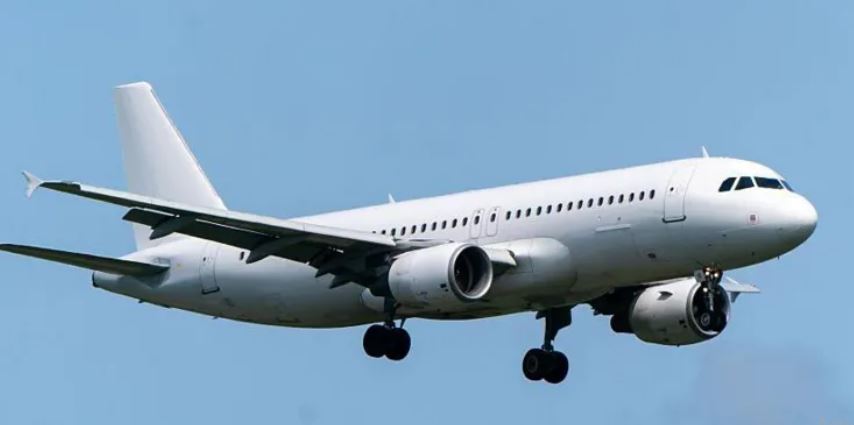
- Thousands of Airbus aircraft have returned to normal service after a temporary grounding caused by concerns that solar radiation could interfere with onboard computer systems. Approximately 6,000 Airbus A320-family planes required immediate software updates, while 900 older aircraft need full computer replacements. Most airlines completed the update quickly, though some—such as Air France and Australia’s Jetstar—experienced delays and cancellations. Airports across the UK, Europe, Australia, and the US reported varying degrees of disruption, but many carriers, including EasyJet, Wizz Air, and Air New Zealand, resumed normal operations after updates were applied.
- 2. Causes of events and topics or issues
- The grounding resulted from Airbus’s discovery that intense solar radiation at high altitudes could corrupt the software responsible for calculating a plane’s elevation. This issue came to light after a JetBlue plane suddenly lost altitude and made an emergency landing in October, injuring 15 people. Investigations revealed a flaw in the aircraft’s computing systems, which could lead to incorrect data being processed under certain radiation conditions. Newer aircraft only required software fixes, but older models need hardware replacements, delaying their return to service. The problem affected several aircraft types, including the A318, A319, A320, and A321.
- 3. Lessons to be learned from events and topics or issues
- This incident highlights the importance of constant monitoring, rapid detection, and quick response in aviation safety. It underlines how even advanced aircraft technologies can be vulnerable to natural phenomena such as solar radiation, reinforcing the need for robust testing under extreme conditions. The event also shows the significance of strong coordination between airlines, manufacturers, and aviation authorities to minimize disruption and ensure passenger safety. Finally, it demonstrates that transparency, timely updates, and accountability—from both airlines and manufacturers—are essential in maintaining public trust and preventing potential accidents.