

1. News related to events and topics or subjects or issues
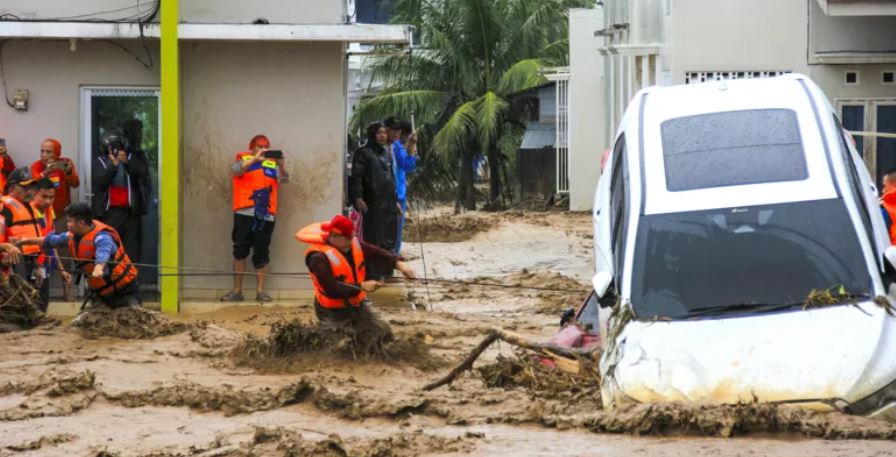
The death toll from severe flooding and landslides on Indonesia’s Sumatra island has risen sharply to 442, with hundreds more missing. The disaster has cut off major roads, disrupted electricity and internet access, and forced mass evacuations. The extreme monsoon rains, intensified by tropical storms, have caused widespread devastation across Southeast Asia, including Indonesia, Thailand, Malaysia, and Sri Lanka. Thailand has reported 170 deaths, Malaysia has confirmed fatalities in Perlis state, and Sri Lanka has suffered nearly 160 deaths from related flooding and mudslides. Cyclone Senyar, an exceptionally rare storm, has worsened conditions in Indonesia by sweeping away homes and submerging thousands of buildings. Tens of thousands have been evacuated, while many remain stranded as rescue operations continue.
2. Causes of events and topics or subjects or issues
The primary cause of the widespread destruction is extreme weather, driven by unusually intense monsoon rains and the rare Cyclone Senyar. The interaction of Typhoon Koto, moving from the Philippines toward Vietnam, and Cyclone Senyar in the Malacca Strait has amplified rainfall and wind intensity across the region. These weather systems triggered massive floods, landslides, and mudslides, destroying homes, overwhelming rescue operations, and stranding residents. In Thailand, rainfall reached 335mm in a single day, the heaviest recorded in 300 years, leading to 3m-deep floodwaters in some areas. Sri Lanka is suffering from Cyclone Ditwah, which destroyed more than 15,000 homes and left one-third of the country without water or electricity. Scientists note that while individual storms cannot be directly attributed to climate change, global warming is making such events more frequent and more intense.
3. Lessons to be learned from events and topics or subjects or issues
These disasters highlight the urgent need for stronger climate resilience, better early-warning systems, and improved infrastructure across Southeast Asia. Governments must reassess flood management, reinforce buildings in high-risk zones, and ensure that emergency services can respond quickly even in extreme conditions. The events also show the importance of regional cooperation, as storms often impact multiple countries simultaneously. Additionally, the scale of the destruction underscores the reality that climate change is intensifying weather patterns, making preparedness and adaptation essential. Ensuring adequate shelters, transparent disaster response, and long-term environmental planning will be key to reducing future loss of life.