

1. News related to events and topics or subjects or issues
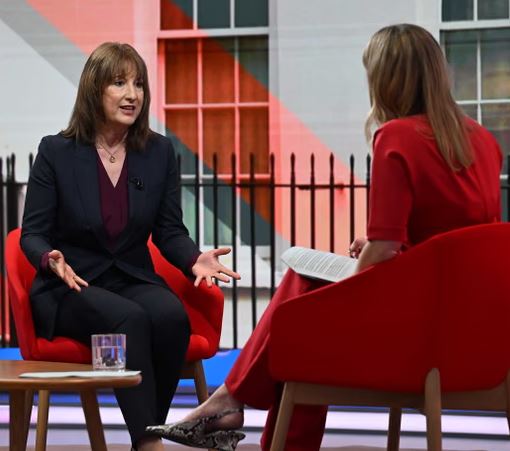
Chancellor Rachel Reeves has defended herself against claims that she misled the public ahead of last week’s budget, insisting that raising taxes to a record level was necessary to ensure economic stability. She announced £26 billion in tax increases on Wednesday to create a buffer against fiscal rules and protect public spending. The budget also included freezing income tax thresholds and an additional £8 billion in welfare spending. Opposition politicians, including Conservative leader Kemi Badenoch, have called for Reeves’s resignation, arguing that her pre-budget messaging misrepresented the state of the economy. Prime Minister Keir Starmer and Reeves have spent the weekend defending the budget, emphasizing its role in reducing inflation and the cost of living while announcing measures to boost economic growth.
2. Causes of events and topics or subjects or issues
Reeves explained that the tax increases were driven in part by the need to build economic resilience and mitigate future fiscal risks. Before the budget, she had indicated that tax rises would be necessary due to forecasts of weaker economic productivity. While the Office for Budget Responsibility (OBR) did downgrade productivity expectations, it also reported unexpectedly strong wage growth and higher tax receipts than anticipated. Critics argue that this discrepancy undermines Reeves’s justification for the tax increases, while Reeves maintains that without additional revenue, the country would have faced the lowest surplus against fiscal rules in history. The controversy is further fueled by disagreements over how the budget was communicated and whether it reflected the true state of the UK economy.
3. Lessons to be learned from events and topics or subjects or issues
The debate highlights the importance of clear and transparent communication by policymakers, especially when implementing major fiscal measures that affect public finances and everyday households. It also illustrates the challenges political leaders face when balancing economic prudence with public perception and political accountability. The situation underscores that pre-budget statements, economic forecasts, and policy decisions must be closely aligned to maintain public trust. Finally, it demonstrates that defending complex economic decisions requires not only technical justification but also effective engagement with both the public and political opponents to prevent misunderstandings and political backlash.