
1. News related to events and topics or issues
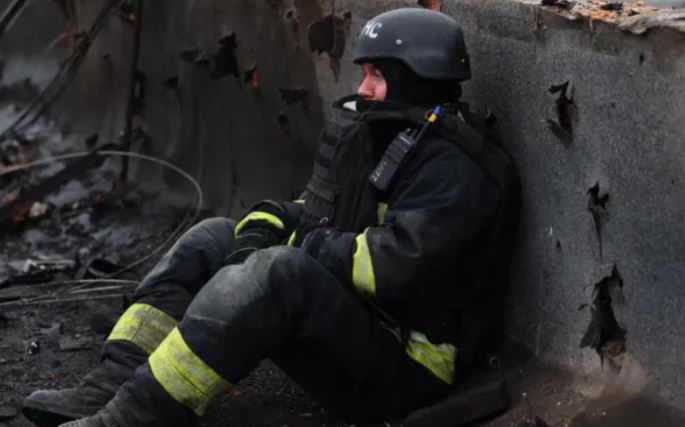
A Russian missile attack on the eastern Ukrainian city of Dnipro killed four people and injured 40, with unconfirmed reports suggesting a ballistic missile was used. The strike, which hit an office block, cars and shops, occurred a day before US special envoy Steve Witkoff was scheduled to meet President Vladimir Putin in Moscow for talks aimed at ending the war. This follows a series of high-level diplomatic engagements, including a meeting in Florida between Ukrainian representatives, Witkoff, US Secretary of State Marco Rubio and Jared Kushner. Despite ongoing shuttle diplomacy, significant gaps remain between Russian and Ukrainian positions. Meanwhile, President Zelensky has travelled to Paris and is expected in Ireland to gather European support amid concerns about shifting US attitudes and internal political strain in Kyiv following a corruption scandal that led to major resignations.
2. Causes of events and topics or issues
The missile attack on Dnipro reflects the ongoing intensity of the war, rooted in Russia’s 2022 full-scale invasion, itself an extension of conflict dating back to 2014 after Ukraine’s pro-Russian president was ousted and Russia annexed Crimea. Russia insists that Ukraine withdraw from remaining territories in the Donbas, while Ukraine refuses to concede sovereign land. Additional tension arises from debates over Ukraine’s future security, such as potential NATO membership, which Kyiv and its European allies see as essential but which Russia staunchly opposes—and former US President Donald Trump has also rejected. Political instability in Ukraine, including corruption-related resignations, has further complicated the diplomatic landscape and shaped the tone of international discussions.
3. Lessons to be learned from events and topics or issues
These developments highlight the severe human cost of prolonged conflict and the difficulty of achieving peace when core territorial and security demands remain irreconcilable. The situation underlines the importance of transparent governance in wartime, as internal scandals can weaken a nation’s negotiating position and international support. It also shows the need for inclusive diplomatic processes involving both the US and European partners to prevent imbalance or mistrust. Ultimately, the ongoing suffering of civilians and widespread displacement underscores the urgency of pursuing a credible, just and durable peace that respects sovereignty and provides long-term security guarantees.