1. News related to events and topics or issues
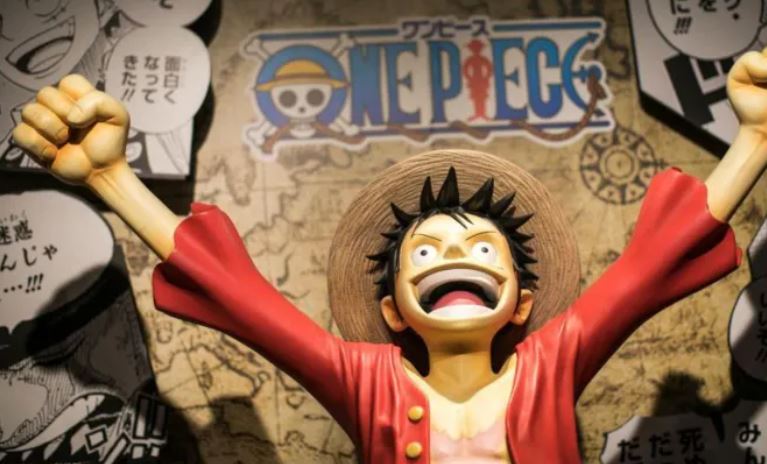
Several Japanese music events in Shanghai were abruptly cancelled, triggering widespread criticism from fans. Singer Maki Otsuki’s performance was stopped midway through a One Piece theme song when lights and sound were cut before she was escorted off stage. The next day, pop star Ayumi Hamasaki was forced to perform in an empty 14,000-seat stadium after organisers cancelled her concert citing “force majeure”. The cancellations occurred during a three-day music festival whose remaining events were also called off. Social media reactions were intense, with some fans comparing Otsuki’s sudden removal to the dramatic escorting out of Chinese leader Hu Jintao in 2022. While some criticised the cancellations as unfair to Chinese audiences, others in China defended the move on nationalist grounds. Even US Ambassador to Japan George Glass commented, expressing disappointment that people were being denied cultural experiences.
2. Causes of events and topics or issues
These abrupt cancellations are widely linked to escalating diplomatic tensions between China and Japan. The row intensified after Japanese Prime Minister Sanae Takaichi suggested in parliament that Japan might consider military action if China attacked Taiwan—remarks that angered Beijing, which views Taiwan as part of its territory. Both governments lodged official protests, and tensions have spilled over into everyday life and cultural exchanges. In this political climate, Japanese performances in China have come under scrutiny, making cultural events vulnerable to sudden cancellations. The decision to halt shows appears driven by a wider effort to reflect political displeasure, even though organisers publicly cited vague reasons such as “unavoidable circumstances” and “various factors”.
3. Lessons to be learned from events and topics or issues
The incident highlights how cultural exchanges can become casualties of geopolitical conflict. When political tensions escalate, even entertainment—intended to bring people together—can be disrupted, affecting artists, organisers and fans alike. It underscores the importance of keeping cultural platforms separate from diplomatic disputes to prevent the arts from being used as tools of political signalling. The public’s mixed reactions also show the need for governments to consider how such decisions impact their own citizens, who may feel deprived of cultural freedoms. Finally, the episode reinforces the idea expressed by artists like Ayumi Hamasaki: that entertainment has the power to build bridges, and preserving that space is essential for fostering mutual understanding during tense political periods.