

1. News related to events and topics or issues
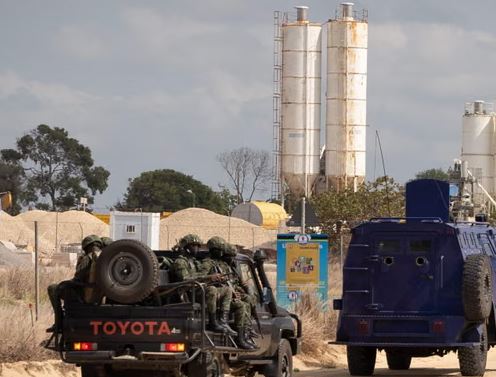
The UK government has withdrawn its controversial $1.15 billion (£870 million) loan guarantee for a major liquified natural gas (LNG) project in Mozambique. The decision comes five years after the project faced strong criticism over its environmental impact, links to human rights abuses, and alleged connections to deadly terror attacks. Business Secretary Peter Kyle stated that UK Export Finance (UKEF) had reassessed the project and concluded that continuing support would not serve the interests of UK taxpayers. The French company TotalEnergies, which leads the project, has been preparing to restart operations after halting work in 2021 when an Islamist insurgency attack killed more than 800 people near the project site. Environmental groups, including Friends of the Earth, have welcomed the UK’s withdrawal and urged other international banks and governments to end their financial backing for the project.
2. Causes of events and topics or issues
The decision to withdraw funding stems from escalating concerns about climate impact, security risks, and human rights violations associated with the Mozambique LNG project. Since 2020, when the UK first approved the support package, the risks linked to the project have increased. The project has been criticised for contributing to climate change, contradicting the UK’s climate commitments, and violating the rights of local communities who were displaced during its development. The region also experienced a surge in violent insurgency, turning the gas megaproject into a target for terror attacks. Environmental campaigners mounted legal challenges and public pressure, arguing that the UK should not support polluting fossil-fuel ventures overseas and should instead encourage Mozambique to pursue renewable and sustainable energy solutions. This combined pressure—security, environmental, legal, and ethical—ultimately contributed to the UK’s withdrawal.
3. Lessons to be learned from events and topics or issues
This case highlights several key lessons for governments and global investors. First, large-scale fossil-fuel projects in politically unstable regions carry substantial security, ethical, and financial risks, which can escalate rapidly. Second, public financing decisions must align with global climate commitments and avoid locking vulnerable countries into long-term fossil fuel dependency. Third, early concerns raised by environmental groups, human rights organisations, and local communities should be taken seriously, as ignoring them can lead to costly policy reversals later. Finally, the case emphasises the importance of supporting clean energy development in countries like Mozambique, helping them address energy poverty sustainably while avoiding future conflicts and environmental harm. Governments must prioritise investments that benefit local communities, protect human rights, and contribute to global climate resilience.