

1. News related to events and topics or issues
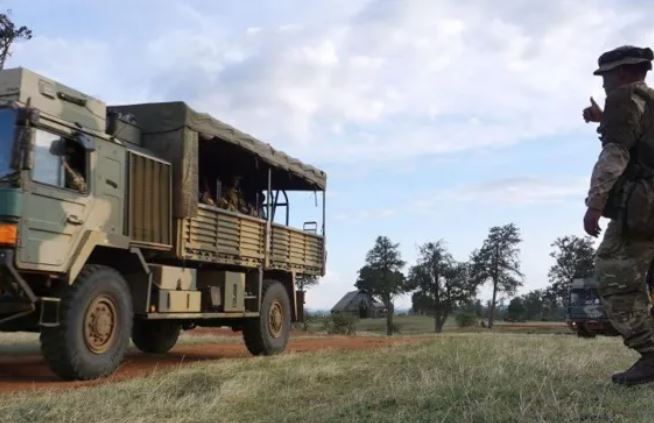
Kenya’s parliament has released a detailed report accusing British soldiers serving under the British Army Training Unit in Kenya (Batuk) of decades of sexual abuse, killings, human rights violations, and environmental destruction in Laikipia and Samburu counties. The findings are based on oral and written testimony from victims, community leaders, civil society groups, and public agencies. The inquiry documents a long list of alleged abuses, including the murder of Agnes Wanjiru in 2012, the killing of herder Tilam Leresh, widespread sexual violence against Samburu and Maasai women, public indecency, and fatherless children left behind by British soldiers. The report also highlights serious environmental concerns, including possible use of white phosphorus, toxic fumes, livestock deaths, miscarriages, and injuries caused by unexploded ordnance. The UK High Commission has expressed regret and stated readiness to investigate any new evidence.
2. Causes of events and topics or issues
The controversy stems from Batuk’s decades-long military presence in central Kenya, where thousands of UK troops train each year. According to the parliamentary committee, structural flaws in the defence cooperation agreement between Kenya and the UK have allowed British soldiers to evade accountability, often shielded by claims of diplomatic immunity and gaps in the law. The inquiry found that Batuk repeatedly refused to cooperate with investigations and that many cases were dropped or mishandled by both local and UK authorities. The lack of enforceable oversight, slow judicial processes, insufficient evidence collection, and alleged interference by Batuk personnel have contributed to decades of unresolved crimes. Environmental negligence, inadequate impact assessments, and the absence of strict conduct rules have further worsened tensions between Batuk and host communities, who increasingly view the British presence as oppressive rather than beneficial.
3. Lessons to be learned from events and topics or issues
The findings underline the importance of strong accountability mechanisms when foreign military forces operate in host countries. Without clear legal frameworks, transparent investigations, and cooperation between governments, serious crimes can go unpunished for years, undermining public trust. The case shows the need for defence agreements to explicitly address crimes like murder and sexual violence, ensuring they are treated outside the scope of official duty. It also illustrates why environmental responsibility must be enforced in military operations to protect communities from long-term harm. More broadly, the situation highlights the importance of listening to marginalized communities, strengthening civilian oversight, and ensuring that foreign partnerships do not repeat patterns reminiscent of colonial injustice. A revised code of conduct, zero-tolerance rules, and child-support obligations could help prevent future abuses and improve relations between the UK and Kenyan communities.