

1. News related to events and topics or issues
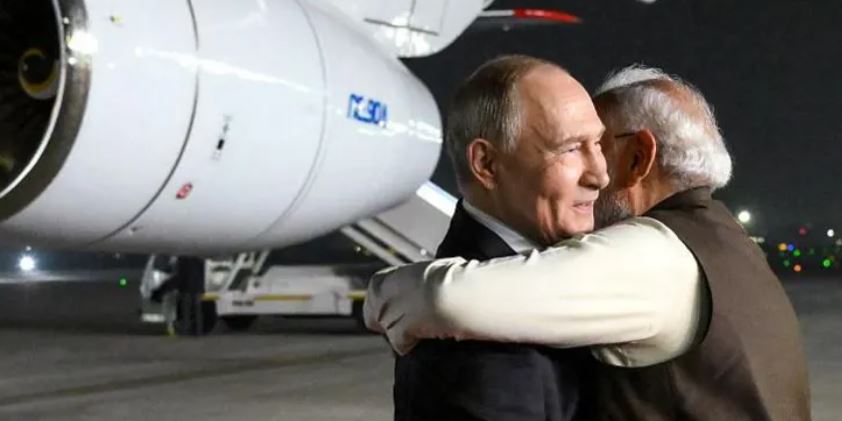
Russian President Vladimir Putin has arrived in India for a two-day visit, where he was warmly welcomed by Prime Minister Narendra Modi. The visit includes an annual bilateral summit during which both countries are expected to sign several key trade, defence, and economic cooperation agreements. This meeting comes at a sensitive geopolitical moment: the US has increased pressure on India to reduce Russian oil imports, global talks are ongoing to end the Russia-Ukraine war, and India’s relations with the West—especially the US—have become strained. Meanwhile, Russia is seeking to strengthen its alliances with Asian powers like India and China, presenting these ties as evidence against Western attempts to isolate Moscow.
2. Causes of events and topics or issues
The primary reasons behind this visit are strategic, economic, and geopolitical. India remains one of Russia’s most important markets for oil, defence equipment, and potential labour talent amid Russia’s shortages caused by the war and sanctions. India increased its purchase of discounted Russian oil after Western sanctions, though recent US tariffs have pressured India to reduce these imports. Defence ties are another major factor: despite India’s attempts to diversify weapons sources, many of its military platforms still rely heavily on Russian systems such as Sukhoi jets and S-400 air defence units. Geopolitically, both countries seek to demonstrate that their partnerships remain strong—Russia wants to show it is not isolated, while India aims to maintain “strategic autonomy,” balancing ties between Russia, the US, and Europe. Modi’s government also wants to correct a large trade imbalance that heavily favors Russia.
3. Lessons to be learned from events and topics or issues
This situation highlights how deeply intertwined global politics, security, and economics have become. First, nations like India must carefully navigate great-power rivalries to protect their interests without alienating key partners. Second, reliance on any single country—whether for defence technology, energy, or trade—can expose vulnerabilities during times of geopolitical conflict. Third, the visit shows the importance of diplomatic flexibility: maintaining dialogue with multiple sides allows countries to pursue security, economic growth, and international influence even when global tensions rise. The meeting also emphasizes that long-term strategic partnerships require continual adjustment as global power dynamics shift and economic pressures evolve.