

1. News related to events and topics or issues
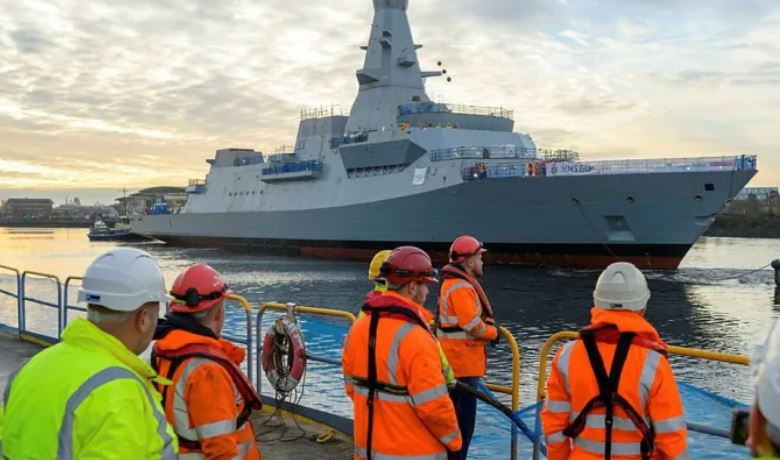
The UK and Norway have signed a major defence pact to jointly operate a fleet aimed at hunting Russian submarines in the North Atlantic. The agreement includes deploying British-built Type-26 frigates and expanding cooperation to protect critical undersea infrastructure such as cables and pipelines. UK Prime Minister Keir Starmer called the pact “historic”, emphasizing its role in safeguarding national security, particularly amid increased Russian naval activity—up 30% in two years, according to the UK’s Ministry of Defence. The announcement came during the visit of Norwegian Prime Minister Jonas Støre to RAF Lossiemouth. Both leaders also received briefings on Russian vessels like the spy ship Yantar, suspected of mapping undersea cables and recently accused of using lasers against RAF pilots. The Lunna House agreement expands the cooperation into joint patrols, training, war gaming, submarine tracking, and the adoption of Norwegian missiles by the Royal Navy.
2. Causes of events and topics or issues
The defence pact is driven by growing concerns over Russia’s increased underwater and naval activities, especially after the invasion of Ukraine. Western intelligence reports indicate that Russian vessels may be targeting or mapping undersea cables and pipelines—critical for Britain’s communications, energy supply, and economy. Incidents such as the Yantar allegedly disrupting RAF operations with lasers, and previous cases like the Novichok poisoning that killed Dawn Sturgess, have reinforced warnings about Russian hostility. Additionally, UK defence authorities have faced criticism for over-reliance on US military resources, prompting the need for stronger independent and allied capabilities. The agreement aims to counter potential sabotage attempts that could cause “catastrophic disruption” to financial and communication systems if undersea infrastructure were attacked.
3. Lessons to be learned from events and topics or issues
This situation underscores the importance of strong international defence cooperation, especially between neighbouring and like-minded countries facing shared security threats. It highlights how modern national security extends far beyond land borders—protecting digital and energy infrastructure beneath the ocean is now as crucial as defending physical territory. The pact also shows the need for nations to stay vigilant, constantly update military capabilities, and diversify alliances amid rapidly evolving geopolitical tensions. Furthermore, it demonstrates how preparedness, investment in technology, and joint training can help deter hostile actions and ensure stability. Overall, the agreement teaches that protecting critical infrastructure requires proactive collaboration and readiness, not just reactive responses after crises occur.