

1. News related to events and topics or issues
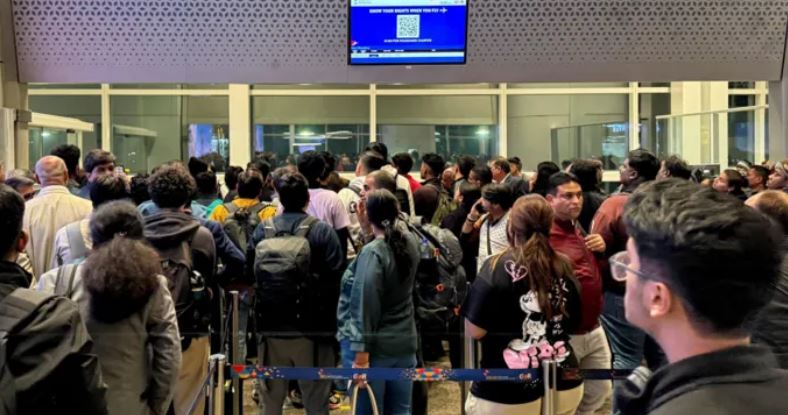
India’s largest airline, IndiGo, has faced a severe operational crisis, with over 300 flights cancelled since Tuesday, leaving thousands of passengers stranded across the country. Major airports, including Delhi, Mumbai, Hyderabad, and Bengaluru, were the worst affected. On Thursday alone, 33 flights were cancelled at Delhi, 85 at Mumbai, and 73 at Bengaluru. Passengers expressed frustration on social media platforms, particularly X (formerly Twitter), with many sharing videos and complaints. The airline responded with standard messages citing factors beyond its control. IndiGo has made “calibrated adjustments” to its schedule until Friday in an attempt to stabilise operations, while India’s aviation regulator is investigating the disruptions.
2. Causes of events and topics or issues
IndiGo attributed the widespread cancellations to a combination of technical glitches, weather conditions, and new crew rostering rules under the Flight Duty Time Limit (FDTL), which restrict flight hours and require more rest for pilots and crew. Since 1 November, these rules have led to reported pilot and crew shortages, although the Federation of Indian Pilots claimed the cancellations cannot be solely blamed on FDTL, noting that other airlines have remained largely unaffected. The combination of operational challenges and staffing issues under these new regulations has disrupted the airline’s network, which connects major metropolitan cities with smaller towns, and caused significant inconvenience to passengers.
3. Lessons to be learned from events and topics or issues
The crisis highlights the vulnerability of airlines to operational and regulatory changes and the importance of robust contingency planning. For a carrier like IndiGo, which built its reputation on punctuality and reliability, repeated flight disruptions can damage customer trust and brand value. It also underscores the need for effective communication with passengers during large-scale disruptions to manage expectations and maintain credibility. Additionally, the situation emphasizes the necessity for airlines to anticipate staffing challenges, technical issues, and regulatory impacts, ensuring smoother operations even under changing conditions, to safeguard both customer experience and market leadership.