

1. News related to events and topics or subjects or issues:
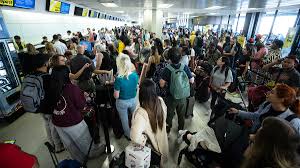
A record 3.1 million travelers were screened by the TSA on the Sunday of Thanksgiving weekend. As Americans prepare for the Christmas and holiday season, a new study by Australian travel insurance company iSelect has identified Newark Liberty International Airport in New Jersey as the “most stressful” airport in the world. The study analyzed 50 major airports globally, taking into account factors such as departure delays, canceled flights, security checks, baggage claim issues, and ease of access. Newark Liberty scored 18.46 out of 100 on the stress index, highlighting long check-in lines, second-worst ease of access, an average departure delay of 21.40 minutes, and poor baggage retrieval rankings. Other airports ranking high on the stress index included Humberto Delgado Airport in Lisbon, Manchester Airport in the U.K., John F. Kennedy International Airport, and Chicago O’Hare International.
2. Causes of events and topics or subjects or issues:
The high stress associated with Newark Liberty Airport is partly due to its outdated infrastructure, overcapacity, and ongoing redevelopment projects. In October, construction began on a new $3.5 billion AirTrain Newark system to replace the old system from 1996, which was unable to accommodate the airport’s rapid growth. The airport is also undergoing broader redevelopment, including Terminal A upgrades, aimed at improving traveler experience. Despite these efforts, factors such as flight delays, crowded security checks, inefficient baggage handling, and difficulty accessing the airport continue to contribute to traveler stress. Surveys like J.D. Power’s annual airport satisfaction report also reflect challenges faced by “mega” U.S. airports, with Newark ranking last in ease of travel, terminal facilities, staff, and overall satisfaction.
3. Lessons to be learned from events and topics or subjects or issues:
The study emphasizes the importance of infrastructure modernization and proactive planning to reduce traveler stress at busy airports. It highlights that even airports undergoing redevelopment can create significant frustration for passengers if improvements are not timely or comprehensive. Travelers can benefit from advance preparation, such as planning for delays, understanding airport layout, and allowing extra time for check-ins and security. For airport authorities, the findings underline the need for ongoing investment in facilities, technology, and services to create a smoother, less stressful travel experience and maintain global competitiveness.