

1. News related to events and topics:
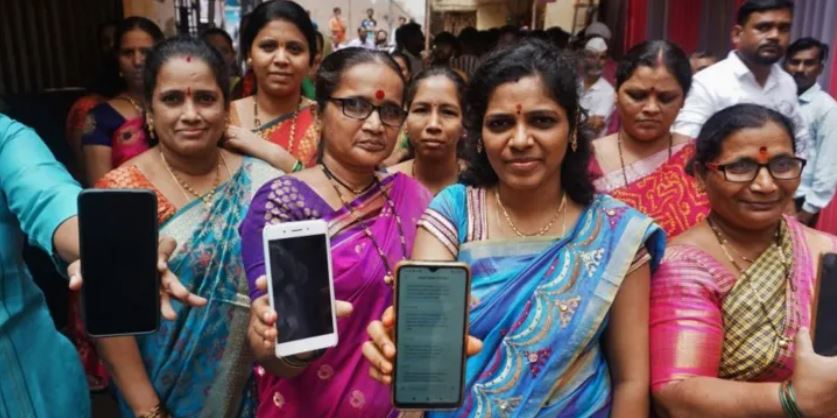
In Madhya Pradesh, India, women like Premila Bhalavi receive unconditional monthly cash transfers from the government, providing small but reliable income. The payments, ranging from 1,000-2,500 rupees ($12-$30), help cover household expenses, medicines, and children’s school fees. With 118 million women in 12 states benefiting, India has become the site of one of the world’s largest social-policy experiments.
2. Causes of events and topics:
These cash transfers are designed to acknowledge women’s unpaid labor and household responsibilities, offering financial independence and security. India’s long history of subsidising grain, fuel, and rural jobs evolved into this radical approach, targeting adult women without imposing conditions. Eligibility varies by age, income, and assets, while the system leverages widespread banking to ensure smooth distribution across millions of beneficiaries.
3. Lessons to be learned from events and topics:
India’s experiment demonstrates the value of unconditional financial support in empowering women and strengthening households. Predictable income enhances control, independence, and decision-making, even with modest amounts. The policy shows that acknowledging women’s unpaid work has social, economic, and political significance, highlighting the importance of inclusive welfare programs and encouraging other nations to consider direct, unconditional support for vulnerable populations.