

1. News related to events and topics or issues
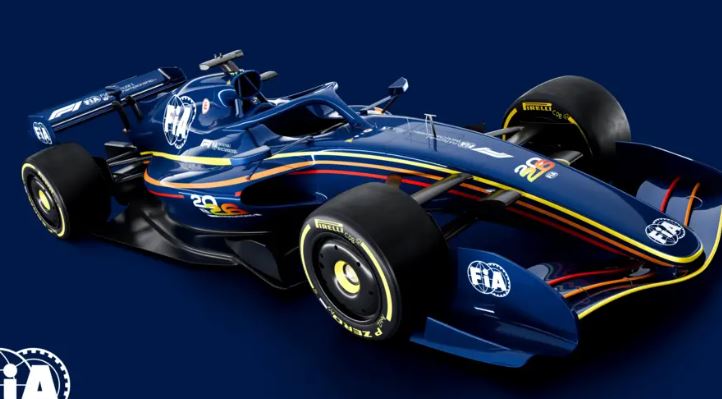
Formula 1 will undergo its biggest transformation in 2026 with major changes to car design, engine technology, and team line-ups. Cars will become lighter, narrower and powered by engines with a 50-50 electric-combustion split using sustainable fuels. New aerodynamics, movable wings, and a push-to-pass system will replace DRS. Several teams, including Cadillac and Audi, will join or rebrand, while the racing calendar also shifts.
2. Causes of events and topics or issues
These changes stem from F1’s push toward sustainability, improved racing quality, and global competitiveness. Removing the MGU-H and increasing hybrid power required new aerodynamic solutions. Growing manufacturer interest, including Ford, Audi and Cadillac, was driven by updated power-unit regulations. Calendar adjustments accommodate logistical needs and new circuits. Driver changes arise from team restructuring, rising rookies, and evolving development strategies ahead of the 2026 season.
3. Lessons to be learned from events and topics or issues
The sweeping reforms highlight how major sports must adapt with advancing technology, environmental priorities, and increasing competition. Innovation demands coordinated rule changes, industry cooperation, and flexibility from drivers and teams. The 2026 overhaul shows the importance of long-term planning and sustainable energy integration. It also demonstrates how global sports evolve through experimentation, strategic partnerships, and continual efforts to balance safety, performance, and fan engagement.