
1. News related to events and topics or subjects or issues:
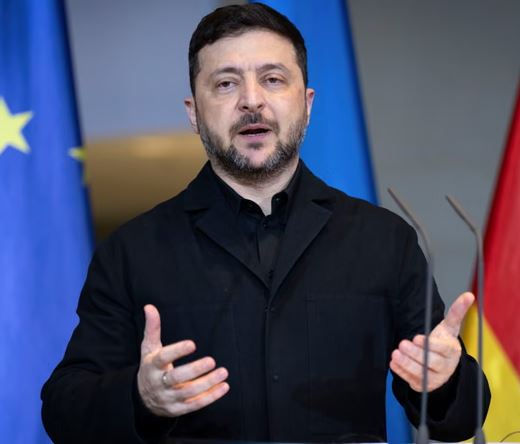
Ukraine’s President Volodymyr Zelenskyy announced that proposals for a peace deal with Russia could be finalised within days, after US officials resolved 90% of problematic issues during Berlin talks. The US Congress is expected to vote on security guarantees for Ukraine, with documents then presented to Moscow. While European leaders have suggested limited support, no foreign troops will be deployed, and Russia has not engaged in the talks or indicated willingness to compromise.
2. Causes of events and topics or subjects or issues:
The peace negotiations face major obstacles, particularly over territory. Ukraine seeks to freeze current lines, while the US proposes compromises such as a “free economic zone” in the Donbas. Russia demands territorial concessions and refuses foreign troops on Ukrainian soil. The absence of Moscow from negotiations, combined with conflicting demands over security guarantees and territorial control, complicates progress. Political considerations, including securing US support and balancing European interests, further affect the pace and outcome of talks.
3. Lessons to be learned from events and topics or subjects or issues:
The talks highlight the difficulty of achieving peace amid asymmetric interests and ongoing conflict. Effective negotiations require clarity on territorial sovereignty, security guarantees, and international involvement. The importance of consensus among allies and continuous diplomatic engagement is evident, as well as preparing for setbacks if one party refuses compromise. Policymakers must balance military support, sanctions, and negotiations to maintain leverage while protecting civilians and ensuring long-term stability in conflict zones.