

1. News related to events and topics or subjects or issues
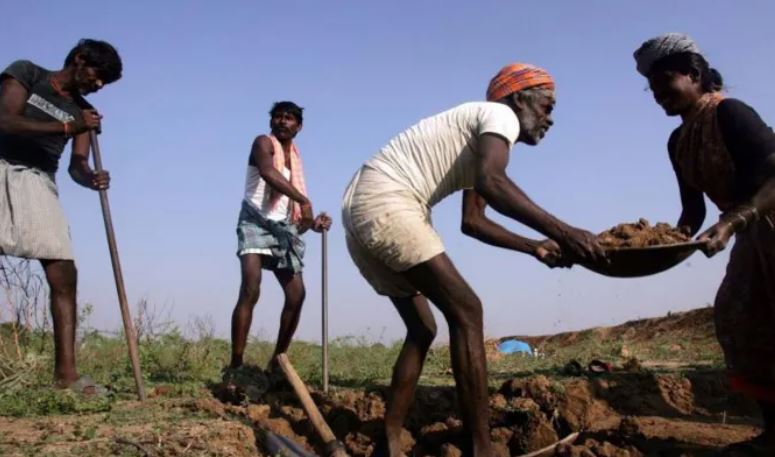
India’s National Rural Employment Guarantee Scheme (NREGS), one of the world’s largest social programmes, guarantees every rural household the legal right to paid work. Launched in 2005 and later renamed MGNREGA, the scheme provides up to 100 days of work annually at a statutory minimum wage. It now supports over 126 million workers, particularly women and marginalized communities, and has become a vital part of rural livelihoods, economic stability, and poverty reduction.
2. Causes of events and topics or subjects or issues
The programme addresses widespread rural underemployment, low agricultural incomes, and lack of non-farm job opportunities in India. Rural households often face economic distress, exacerbated by crises such as the Covid-19 pandemic, which increased demand for work. Reforms under the new G RAM G law raise guaranteed days to 125 and change funding responsibilities, with states contributing more. Critics warn that funding shifts and administrative disparities may weaken access and dilute the legal guarantee.
3. Lessons to be learned from events and topics or subjects or issues
The scheme demonstrates the importance of targeted social protection in reducing poverty, boosting consumption, and supporting women and marginalized groups. It highlights how large-scale public employment can stabilize rural economies amid distress. However, structural challenges, such as inadequate non-farm job creation and uneven state implementation, show that social programmes must be paired with broader economic reforms. Sustained funding, transparency, and administrative capacity are crucial to ensure long-term impact and equitable access.