

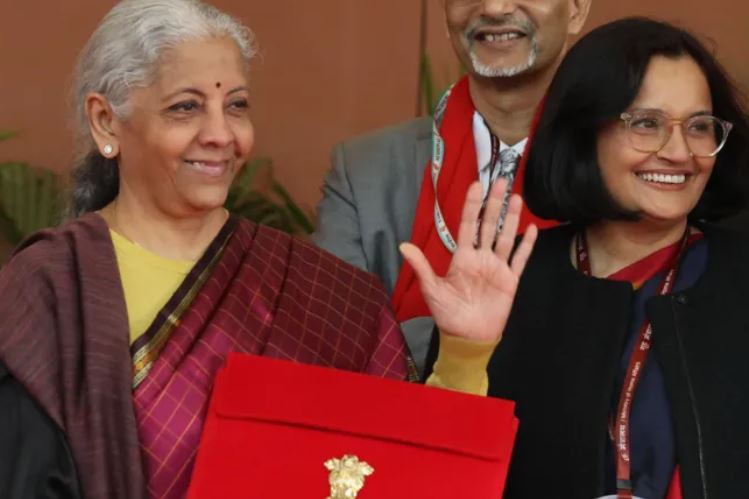
India’s Finance Minister Nirmala Sitharaman has presented the 2026–27 annual budget, highlighting record infrastructure investment, increased defence spending and a push for manufacturing in strategic sectors such as semiconductors and rare earth minerals. The government projects 7.4% GDP growth this year, though expansion may slow due to US tariffs. The budget stresses fiscal discipline, reduced deficits and long-term debt control, while markets reacted negatively after higher securities transaction taxes disappointed investors.
The events stem from global economic uncertainty, geopolitical tensions and slowing private investment. Rising US tariffs on Indian exports threaten growth, forcing the government to strengthen domestic manufacturing and infrastructure to protect economic momentum. Fiscal restraint reflects concerns about public debt sustainability. Increased defence allocations respond to security pressures worldwide. Limited tax cuts indicate restricted fiscal space after earlier reforms, while capital flight and weaker export demand have pushed policymakers toward cautious, stability-focused budgeting.
The situation teaches the importance of balancing growth with fiscal discipline during uncertain global conditions. Strategic investment in infrastructure and technology can strengthen long-term resilience, but tax and market policies must consider investor confidence. Governments must diversify economies to reduce dependence on external markets. Transparent budgeting, prudent debt management and adaptive policy frameworks help nations remain stable during trade shocks, geopolitical risk and financial volatility while still promoting sustainable development.