

1. News related to events and topics or subjects or issues:
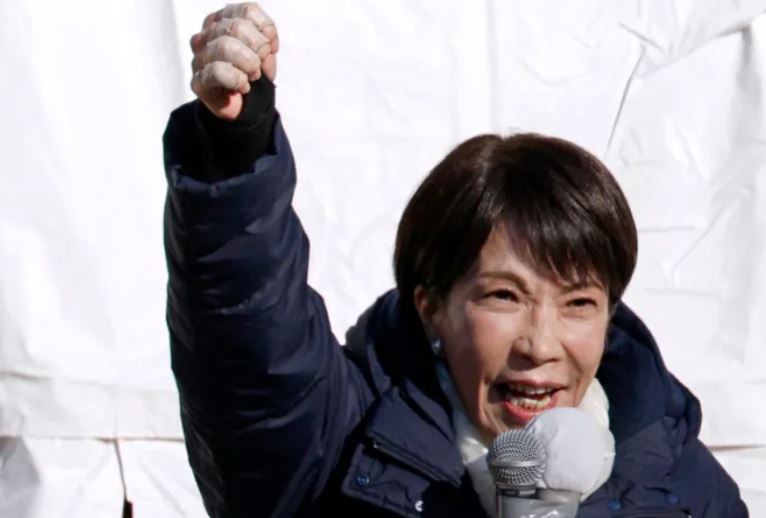
Japan is holding a snap general election, with Prime Minister Sanae Takaichi seeking a strong mandate for the ruling Liberal Democratic Party. Her personal popularity, high approval ratings, and energetic public image have energized supporters, especially younger voters. Despite criticism over timing, polls suggest the LDP may regain a majority. Key campaign themes include national defence, diplomacy, and economic anxiety, as voters weigh leadership style against lingering concerns about inflation and political stability nationwide.
2. Causes of events and topics or subjects or issues:
The election was triggered by political strategy and parliamentary arithmetic, as the ruling party aims to regain legislative control after past scandals and weak economic confidence. Takaichi’s popularity encouraged an early vote before worsening cost-of-living pressures could erode support. Rising inflation, stagnant wages, defence tensions with China, and immigration debates shape voter attitudes. Fragmented opposition parties also create conditions that favor the ruling party’s gamble on personality-driven momentum over detailed policy debate.
3. Lessons to be learned from events and topics or subjects or issues:
The election highlights how modern politics increasingly blends celebrity image, social media influence, and strategic timing. Popular leaders can temporarily overshadow economic hardship, but unresolved financial pressures eventually dominate public judgment. Strong democracies require policy clarity, not only personal charisma. Voters must balance enthusiasm with scrutiny, while governments should prioritize transparency and long-term planning. The situation shows that sustainable leadership depends on economic results, diplomacy, and public trust rather than popularity alone.