

1. News related to events and topics or subjects or issues:
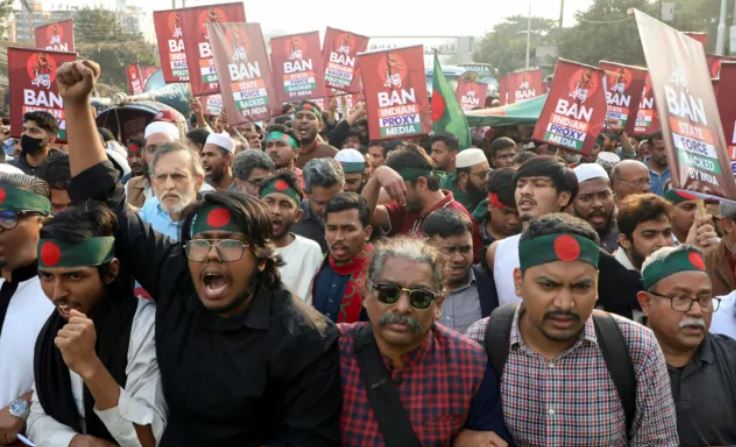
Bangladesh is experiencing political transition after a student-led uprising removed Sheikh Hasina from power, while elections approach amid rising anti-India sentiment. University campuses echo with protest slogans demanding sovereignty and democratic renewal. India–Bangladesh relations have sharply deteriorated, with visa suspensions, trade friction and diplomatic mistrust. Youth activists accuse Delhi of backing authoritarian rule. The interim government now faces pressure to stabilise politics and repair strained regional relationships.
2. Causes of events and topics or subjects or issues:
Tensions grew from years of disputed elections, authoritarian governance and perceptions that India supported Hasina’s rule. Border violence, water disputes, trade barriers and inflammatory rhetoric deepened resentment. Her exile in India after deadly crackdowns intensified anger among young voters. Social media amplified nationalist narratives. Political uncertainty, economic anxiety and foreign influence fears combined to produce distrust, turning long-standing grievances into a powerful wave of anti-Indian public sentiment nationwide.
3. Lessons to be learned from events and topics or subjects or issues:
The crisis shows that democracy, transparency and mutual respect are essential in regional diplomacy. Governments must avoid favouring individuals over institutions. Public trust erodes when citizens feel sovereignty is compromised. Neighbouring countries share responsibility to engage respectfully and support democratic processes. Long-term stability depends on dialogue, fairness and people-to-people ties. Political transitions succeed only when leaders prioritise accountability, inclusive governance and balanced foreign relations over short-term advantage.