

1. News related to events and topics or subjects or issues:
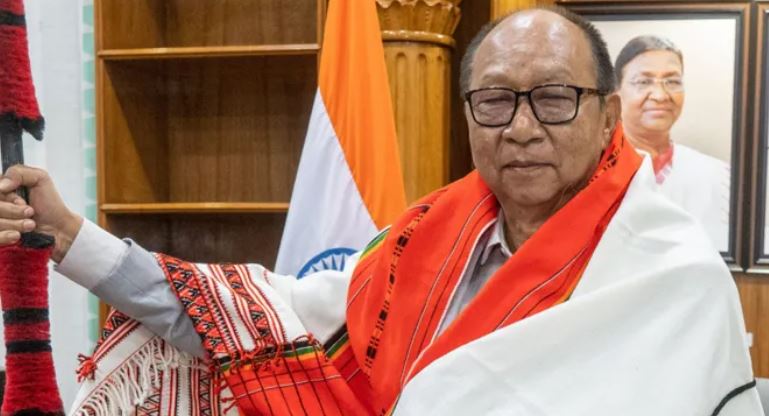
Manipur, in India’s northeast, has a new chief minister, Yumnam Khemchand Singh, following a year of federal rule imposed after ethnic violence that killed over 260 people. Singh, a seasoned politician and taekwondo black belt, took office amid ongoing tensions between the Meitei majority and Kuki-Zo minority. Protests erupted shortly after his oath, with some Kuki-Zo groups criticizing participation of their legislators in the new government, demanding separate administration for Kuki-Zo-dominated areas.
2. Causes of events and topics or subjects or issues:
The violence and unrest in Manipur stem from longstanding ethnic divisions, displacement of communities, and mistrust between Meitei, Kuki-Zo, and Naga groups. Historical armed resistance, militias, and overlapping territorial claims have exacerbated conflict. The previous federal administration struggled to restore security, and fresh clashes, including recent killings and protests, reflect unresolved grievances. Political representation and administrative arrangements remain contentious, leaving communities skeptical of Singh’s ability to bring lasting peace or trust-building measures.
3. Lessons to be learned from events and topics or subjects or issues:
Manipur’s situation highlights that restoring peace requires more than governance; it demands trust, dialogue, and inclusive political engagement. Leadership must address historical grievances, acknowledge state failures, and involve all communities equally. Security measures alone are insufficient without disarming armed groups and building social cohesion. Singh’s success will depend on transparent administration, outreach to displaced populations, and careful balancing of ethnic representation to prevent escalation, ensuring that authority fosters reconciliation rather than just administrative normalcy.