

1. News related to events and topics or subjects or issues:
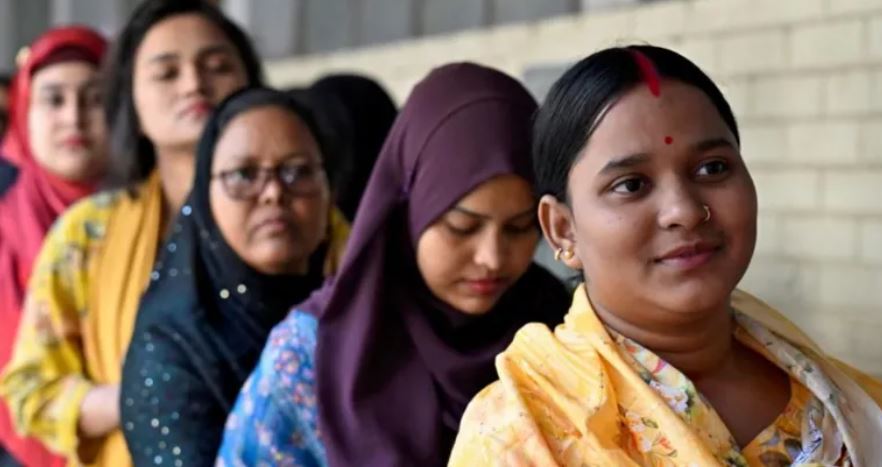
Votes are being counted in Bangladesh following the country’s first election since the 2024 student-led uprising that removed Prime Minister Sheikh Hasina. Over 2,000 candidates contested seats, excluding her banned Awami League party. The vote features a contest between the BNP and an Islamist-led coalition tied to protest groups. A constitutional referendum was held simultaneously, while heavy security was deployed nationwide. Interim leader Muhammad Yunus called the election a hopeful turning point.
2. Causes of events and topics or subjects or issues:
The election stems from deep political turmoil triggered by mass student protests in 2024 against corruption, governance failures, and authoritarian practices. The violent crackdown, which the UN says killed about 1,400 protesters, intensified anger and led to Hasina’s removal. Long-standing mistrust in institutions and demands for reform pushed the interim government to organize elections and a referendum. Public pressure for accountability and structural change shaped the current political realignment and voter participation.
3. Lessons to be learned from events and topics or subjects or issues:
Bangladesh’s crisis highlights the danger of ignoring public grievances and suppressing dissent through force. Sustainable stability requires transparent institutions, respect for democratic rights, and accountability for violence. Inclusive political dialogue is essential to prevent polarization and rebuild trust. The transition shows that citizen movements can reshape governance, but reforms must follow to secure lasting peace. Strong legal safeguards and fair elections remain critical for protecting democracy and preventing future unrest.