

(1) News related to events and topics or issues
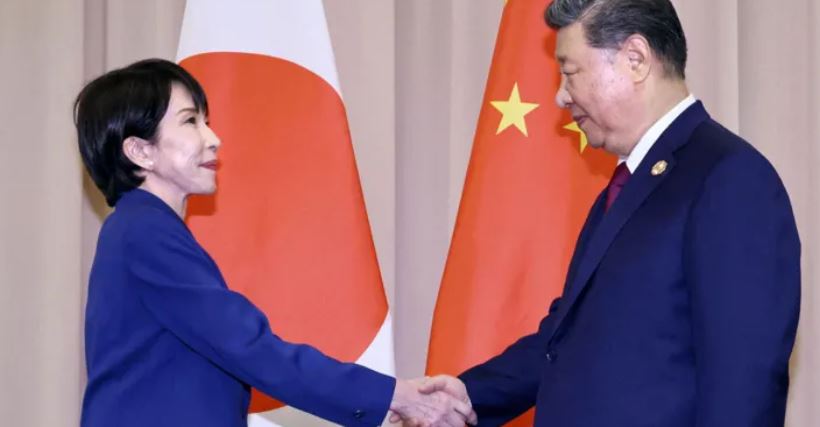
China and Japan are embroiled in a serious diplomatic confrontation following Japanese Prime Minister Sanae Takaichi’s comments suggesting Japan could activate its Self-Defense Forces if China attacked Taiwan. China denounced the remarks as “egregious,” summoned Japan’s ambassador, and issued travel warnings advising Chinese citizens to avoid Japan. The situation escalated further after a Chinese diplomat made a statement interpreted as a beheading threat. Japan protested the remark and defended its stance, insisting it seeks a peaceful resolution regarding Taiwan. Both nations have exchanged warnings, diplomatic protests, and harsh rhetoric, raising tensions in an already sensitive region.
(2) Causes of events and topics or issues
The immediate cause of the dispute was Takaichi’s statement during a parliamentary session suggesting that conflict involving Taiwan could create a “survival-threatening situation” for Japan, enabling military involvement under Japanese law. China viewed this as interference in its internal affairs and a violation of the One-China principle. Historic animosity between the two nations, Japan’s increasing alignment with the US, and Takaichi’s hawkish stance on China and support for Taiwan fueled the dispute further. China is particularly sensitive about Taiwan’s status, and any foreign military implications heighten tensions. In addition, recent diplomatic actions—such as Takaichi meeting a Taiwanese official at APEC—added to Beijing’s frustration.
(3) Lessons to be learned from events and topics or issues
This episode illustrates how fragile diplomatic relations can quickly escalate when national security, territorial claims, and historical grievances intersect. It highlights the importance of cautious, measured political communication—especially on highly sensitive topics like Taiwan. The situation also shows how ambiguous security policies (“strategic ambiguity”) can create misunderstandings when political leaders deviate from precedent. Moreover, it underscores the long-lasting impact of historical conflict on modern diplomacy and the need for nations to handle such matters with restraint to avoid unintended military or diplomatic escalation. Strengthening dialogue, respecting established diplomatic norms, and avoiding provocative language are crucial to maintaining regional stability.