(1) News related to events and topics or issues
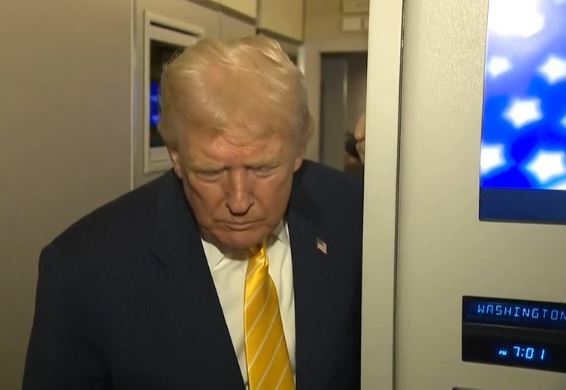
Former US President Donald Trump has rejected the BBC’s apology over an editing error in its Panorama programme and has threatened to sue the corporation for $1–$5 billion. Trump claims the BBC “changed the words coming out of his mouth” by editing two clips of his speech together, creating what he calls an “egregious” distortion. Despite the apology, the BBC refuses to pay compensation, arguing that the programme aired only in the UK and caused him no harm. This dispute comes at a sensitive time for the BBC, as its Director General and CEO have resigned, and the corporation is preparing for crucial charter renewal discussions. A lengthy and expensive legal battle with Trump now seems likely.
(2) Causes of events and topics or issues
The controversy began after the BBC’s Panorama programme mistakenly edited two parts of Trump’s speech in a way that appeared misleading. Although the BBC insists the error was unintentional, Trump considers it deliberate manipulation. His frustration with perceived media bias—combined with his long history of filing lawsuits against media organisations—has fueled the situation. The BBC’s refusal to offer compensation further escalated matters. Additionally, the corporation’s slow response to publicly acknowledge and correct the mistake worsened mistrust and added pressure during a period of leadership crisis and ongoing scrutiny related to its 2028 charter renewal.
(3) Lessons to be learned from events and topics or issues
This incident highlights the critical importance of editorial accuracy, transparency, and speedy correction of media mistakes—especially for an organisation as globally influential as the BBC. Even small errors can escalate into major controversies when public trust in institutions is already fragile. It also shows that powerful political figures, like Donald Trump, may take aggressive legal action when they feel misrepresented. For media organisations, this case demonstrates the need to maintain impartiality, handle crises promptly, and avoid actions that could divert resources from essential long-term goals. Finally, it underscores how media–political conflicts can turn into high-stakes battles affecting public confidence on a national and international scale.