

(1) News related to events and topics or issues
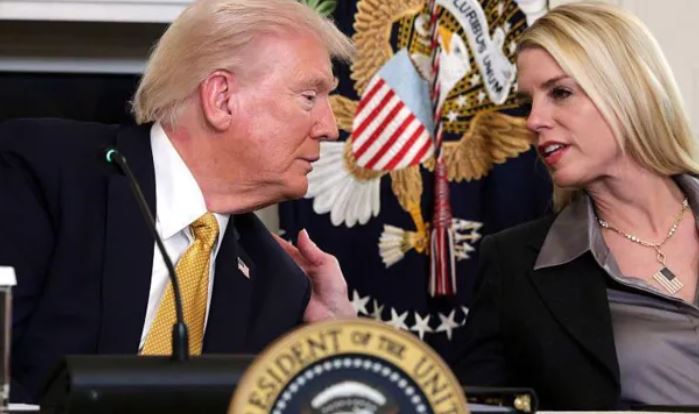
The US Justice Department has confirmed it will investigate the late financier and convicted sex offender Jeffrey Epstein’s alleged links with major banks and several prominent Democrats, including former President Bill Clinton. The move comes after President Donald Trump publicly urged Attorney General Pam Bondi and the FBI to examine Epstein’s “relationships” with Clinton and others, following the release of thousands of Epstein’s emails by the US House Oversight Committee. These documents include more than 1,600 mentions of Trump in email threads. The investigation may also look into associations involving JP Morgan Chase, former Treasury Secretary Larry Summers, and Democratic donor Reid Hoffman.
The development coincides with renewed interest in the Epstein case as Congress prepares for a vote on whether to release all remaining Justice Department files related to Epstein, who died in prison in 2019. Political tensions have escalated, with Democrats accusing Trump of trying to deflect attention from his own connections to Epstein. Meanwhile, several lawmakers—including four Republicans—have joined a petition to force the release of Epstein-related files. The issue has also caused political rifts, with Trump publicly withdrawing support for Congresswoman Marjorie Taylor Greene after she backed the push for full disclosure.
(2) Causes of events and topics or issues
-
Release of new documents: The publication of over 20,000 pages of Epstein-related emails and records renewed public scrutiny of Epstein’s ties to influential figures across politics, finance, and academia.
-
Political pressure and rivalry: Trump’s call for investigations appears partly driven by political tensions, especially accusations from Democrats that he is attempting to redirect attention away from his own association with Epstein.
-
Bipartisan demand for transparency: Survivors of Epstein’s crimes and several lawmakers have been advocating for the full release of files, arguing that accountability should come before political interests.
-
Institutional responsibility: Major banks and public officials have faced scrutiny over past dealings with Epstein, especially JP Morgan Chase, which has acknowledged past “regret” about its association with him.
-
Legal and ethical precedent: Controversy surrounds whether sitting presidents should order Justice Department investigations, especially those involving political opponents or predecessors, raising concerns about misuse of federal power.
(3) Lessons to be learned from events and topics or issues
-
Transparency is crucial in cases involving powerful individuals. Public confidence depends on fully uncovering the truth, regardless of political consequences.
-
Justice must prioritize survivors, not political agendas. The appeals from Epstein’s victims highlight the importance of centering investigations on those harmed, rather than on partisan battles.
-
Political systems must guard against misuse of power. Presidents directing investigations into opponents can undermine democratic norms and raise concerns about political retaliation.
-
Institutions must remain accountable, including banks, public offices, and political figures that maintained associations with Epstein even after his earlier conviction.
-
Public pressure and bipartisan cooperation can force action. The involvement of both Republicans and Democrats in demanding file releases shows that collective advocacy can override political divisions in pursuit of justice.