

(1). News related to events and topics or issues :-
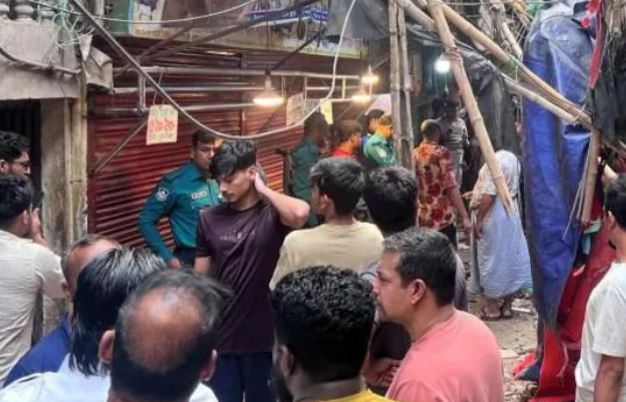
A 5.5 magnitude earthquake struck Bangladesh, killing at least five people, including a child, and injuring more than 450 others. The epicentre was near Narsingdi district, about 30 km from Dhaka. The tremors caused buildings to shake, makeshift structures to collapse, and triggered panic across the capital. At Dhaka University, at least 10 students were injured in a stampede, while three people died when debris fell from a five-storey building in the Armanitola area. Tremors were also felt in neighbouring Indian states. The earthquake temporarily halted Ireland’s second cricket Test match in Bangladesh, although play resumed shortly afterward. Eyewitnesses described the shaking as stronger than anything they had experienced in years.
(2). Causes of events and topics or issues :-
The primary cause of the incident was seismic activity resulting from movement in the Earth’s tectonic plates beneath the region. The location of the epicentre near densely populated urban areas increased the impact and casualties. Many of the injuries were caused not just by structural damage, but by panic-driven stampedes and the collapse of weak or makeshift constructions. Bangladesh’s vulnerability to earthquakes, combined with older and less resilient buildings, contributed to the severity of the damage. The tremors extending to eastern India indicate that the quake’s energy spread widely across regional fault lines.
(3). Lessons to be learned from events and topics or issues :-
This earthquake highlights the need for stronger building codes, especially in crowded cities like Dhaka where many structures are not built to withstand even moderate tremors. Public awareness and preparedness must be improved to prevent panic-driven injuries during such emergencies. Schools, universities, offices, and public institutions should conduct regular earthquake drills and ensure safe evacuation routes. Authorities must invest in early warning systems, structural assessments, and disaster response training to reduce casualties in future earthquakes. Overall, the event underscores the importance of preparedness, resilient infrastructure, and calm, informed responses during natural disasters.