

(1). News related to events and topics or issues :-
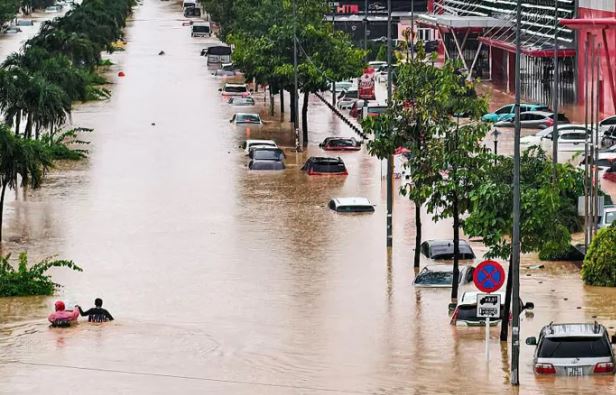
Relentless rains and severe flooding in central Vietnam have killed at least 41 people since the weekend, while nine others remain missing. More than 52,000 homes have been submerged and around half a million households and businesses are without electricity. Tens of thousands of residents have been evacuated as floodwaters rise to record levels, surpassing even the historic 1993 flood peak in some areas. Coastal cities like Hoi An and Nha Trang, along with major farming regions such as Dak Lak, have suffered extensive damage. Landslides have destroyed major roads, including parts of the Mimosa Pass into Da Lat, causing traffic to halt. Photographs and videos show people stranded on rooftops, submerged vehicles, and collapsing bridges. The government has deployed military and police forces to rescue people and set up emergency shelters.
(2). Causes of events and topics or issues :-
The main cause of the disaster is extreme, continuous rainfall—exceeding 1.5 meters in some areas—triggered by recent severe weather patterns affecting Vietnam. The country has already been battered by two major typhoons, Kalmaegi and Bualoi, in recent months, leaving the ground saturated and more vulnerable to flooding and landslides. Climate change has amplified the severity and frequency of these extreme weather events, making storms stronger and rainfall more intense. Additionally, geographical factors such as mountainous terrain, river networks, and densely populated coastal regions increase the country’s susceptibility to widespread flooding and infrastructure damage. The collapsed roads and landslides highlight how persistent rainfall weakens soil stability, compounding the impact of earlier storms.
(3). Lessons to be learned from events and topics or issues :-
This disaster underscores the urgent need for stronger climate adaptation strategies in Vietnam, as extreme weather events become more frequent due to climate change. Improved drainage systems, stronger flood-resistant infrastructure, and better early-warning mechanisms are critical to reducing casualties. The event also highlights the importance of sustainable land management and stricter construction standards, especially in landslide-prone and coastal areas. Communities must be better prepared through emergency training, evacuation planning, and public awareness programs. On a broader scale, the crisis serves as a reminder for global cooperation on climate change mitigation to reduce the long-term risks of severe storms, floods, and environmental destruction.