

(१). News related to events and topics or subjects or issues:
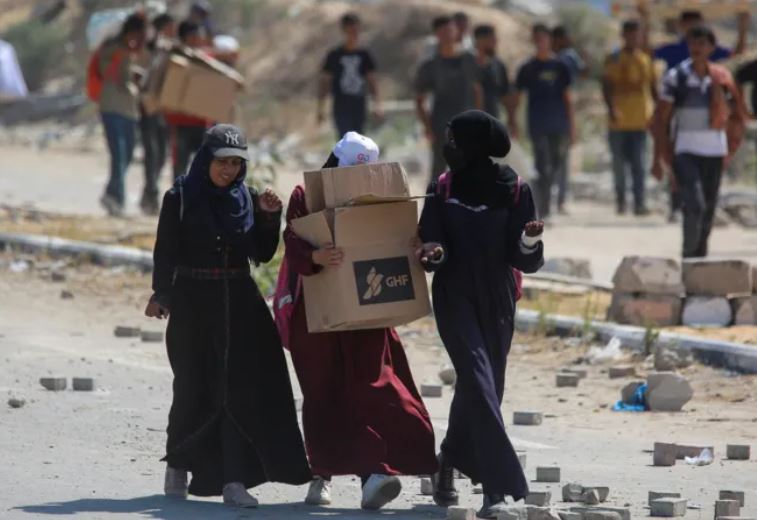
The controversial Gaza Humanitarian Foundation (GHF), backed by the US and Israel, announced it is winding down its aid operations in Gaza after almost six months. The organization had previously suspended its three food distribution sites following the ceasefire between Hamas and Israel six weeks ago. During its operations, GHF delivered three million aid packages, providing the equivalent of over 187 million meals to Palestinians. Hamas welcomed the closure, while the UN and other aid agencies criticized GHF for bypassing established humanitarian channels and operating in militarized zones, which posed serious safety risks to civilians.
(२). Causes of events and topics or subjects or issues:
The GHF was established to provide aid outside the UN system, aiming to prevent Hamas from controlling or stealing assistance. However, this approach was criticized by the UN and human rights organizations as unethical and unsafe, particularly because the aid sites were located inside Israeli military zones. During GHF operations, hundreds of Palestinians were reportedly killed while seeking food, mostly by Israeli fire, although GHF denied these claims. The winding down of GHF operations coincides with the ceasefire and the adoption of its model by the US-led Civil-Military Coordination Centre (CMCC) under President Trump’s Gaza peace plan.
(३). Lessons to be learned from events and topics or subjects or issues:
The GHF case highlights the challenges of delivering humanitarian aid in conflict zones, especially when bypassing traditional organizations like the UN. It underscores the importance of neutrality, safety, and coordination with established aid agencies to protect civilians. Despite the GHF delivering large quantities of aid, the operations also exposed the risks of militarized aid distribution and the need for accountability when humanitarian interventions inadvertently cause harm. The situation reinforces that effective aid requires both logistical efficiency and adherence to fundamental humanitarian principles to prevent unnecessary suffering