

(१). News related to events and topics or subjects or issues:
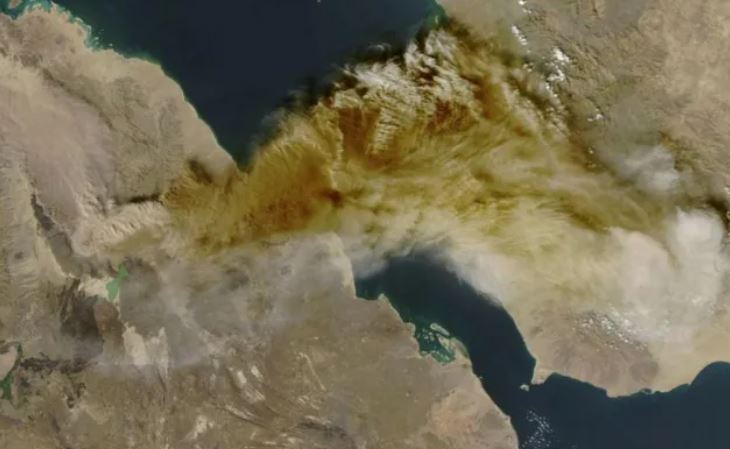
A volcanic eruption in Ethiopia has sent a plume of ash across the Red Sea, Oman, Yemen, and as far as Delhi, India, according to the India Meteorological Department (IMD). The eruption of the dormant Hayli Gubbi volcano began on Sunday, sending an ash column thousands of feet into the atmosphere. In India, several flights were cancelled, delayed, or rerouted due to the ash, with the aviation regulator advising airlines to avoid affected areas. Experts say that while the ash reached Delhi, it is unlikely to affect air quality, which was already very poor.
(२). Causes of events and topics or subjects or issues:
The Hayli Gubbi volcano had been dormant for thousands of years, but it erupted suddenly, producing a high ash column between 8.5 km and 15 km above sea level. Volcanic ash contains tiny, abrasive particles that can damage aircraft engines, reduce visibility, and contaminate airfields, posing hazards to flight operations. India’s Directorate General of Civil Aviation issued advisories for pilots to report encounters with ash and inspect aircraft operating in affected areas. The eruption’s suddenness prevented precise measurements of ash contamination, making it difficult to predict its impact or duration.
(३). Lessons to be learned from events and topics or subjects or issues:
The incident highlights the global impact of volcanic eruptions, even from long-dormant volcanoes, on aviation and transport systems. It underscores the importance of monitoring volcanic activity and preparing contingency plans to minimize disruption to flights and infrastructure. Historical events, such as the 2010 Eyjafjallajökull eruption in Iceland, demonstrate that even remote eruptions can cause widespread travel chaos, emphasizing the need for international coordination among meteorological and aviation authorities to ensure safety and timely response.