

(1). News related to events and topics:
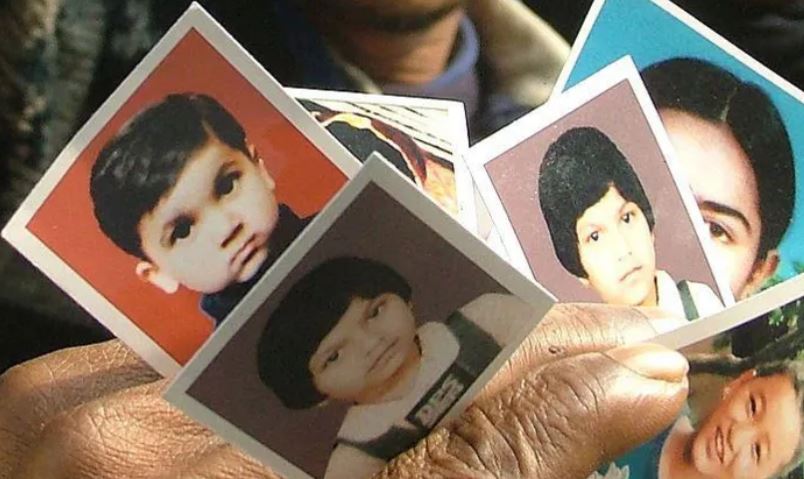
Nearly 20 years after the discovery of 19 women and children’s bodies near a bungalow in Noida, India, the case has returned to public attention as Surinder Koli, the last of the two men convicted, has been acquitted by the Supreme Court. On 12 November, the top court accepted Koli’s claim that his confession, which included disturbing admissions of cannibalism and necrophilia, was extracted under torture. The original case dates back to December 2006, when Moninder Singh Pandher, a businessman, and his servant Surinder Koli were arrested after body parts were found near their home. Both were convicted of rape and murder and spent years on death row; Pandher was released in 2023, and now Koli has also walked free, ending the long judicial process surrounding one of India’s most notorious criminal cases.
(2). Causes of events and topics:
The Supreme Court’s acquittal stems from serious flaws in the initial investigation. Judges found that Koli’s confessions were not voluntary and were likely coerced after 60 days in custody, with the police investigator present during questioning. The court criticized investigative agencies for negligence and delay, and for opting to implicate a poor servant rather than identifying the true offender. Reports suggest that evidence may have been fabricated, and some leads, including an organ-trade angle, were not pursued. Social inequalities also played a role, as most victims were from nearby slums while the accused belonged to a more affluent community, influencing how complaints were initially treated by authorities.
(3). Lessons to be learned from events and topics:
The case underscores the importance of fair and thorough investigations, protection of suspects’ rights, and accountability within law enforcement. Families of victims, like Pappu Lal and Sunita Kanaujia, continue to grapple with grief and a lack of closure, highlighting the human cost of flawed justice systems. The situation illustrates how social and economic disparities can affect responses to crime and emphasizes the need for vigilance against procedural lapses, coercion, and bias. Finally, it demonstrates the long-term impact on communities when justice is delayed or misapplied, and the urgent necessity for mechanisms that ensure accountability, transparency, and proper pursuit of the true perpetrators.