

(1) News Related to Events and Issues
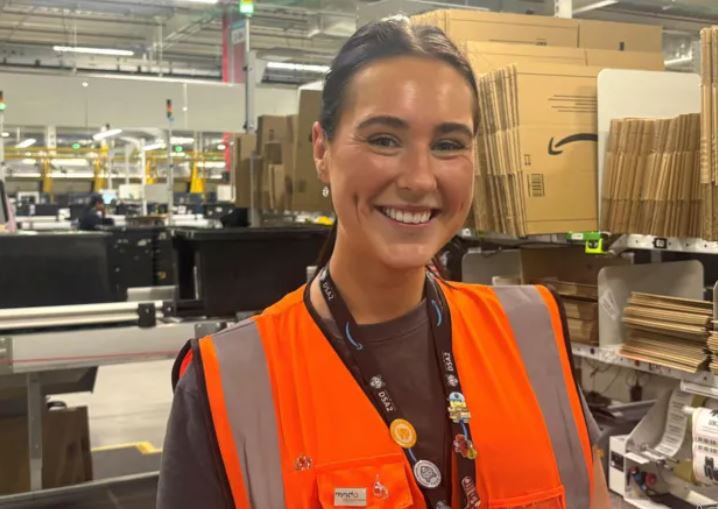
Amazon’s new fulfilment centre near Hull, East Yorkshire, is gearing up for Black Friday, one of the busiest shopping periods of the year. The 11-week-old warehouse, covering the size of 11 football pitches and costing £550 million to build, employs 2,000 staff who pick, pack, and ship orders. The facility uses advanced robotics, with yellow cuboid-shaped machines moving along the warehouse floor, guided by QR codes, to deliver products such as Xbox consoles and masquerade masks to staff. Employees then scan, pack, and prepare the items for shipping. The high-tech warehouse is running at full capacity to meet the expected surge in demand, with UK shoppers projected to spend around £10.2 billion over Black Friday and the weekend.
(2) Causes of Events and Issues
The warehouse’s highly automated system was designed to handle large-scale operations efficiently, particularly during peak shopping seasons. Robotic shelves move products to employees called stowers, who place items into pods for customers. Conveyor belts transport the items to packing stations, ensuring a streamlined process from order to shipment. Despite the technological sophistication, the warehouse has faced local opposition since its announcement in 2020, with over 1,300 objections citing environmental concerns, increased lorry traffic, and illuminated signage. Proponents highlighted the creation of hundreds of jobs and Amazon’s provision of transport for staff commuting from Hull.
(3) Lessons to Be Learned from Events and Issues
The Amazon Hull warehouse demonstrates how technology and robotics can improve efficiency and manage large-scale logistics during peak demand periods. It also highlights the importance of balancing industrial development with community concerns, such as environmental impact and traffic management. Furthermore, the operation shows how companies can maintain a positive workplace culture—through safety protocols, team management, and employee engagement—even in high-pressure environments. Finally, it underscores the ongoing tension between large e-commerce firms and local businesses, suggesting the need for consumers to consider supporting local retailers alongside global giants.