

(1) News Related to Events and Issues
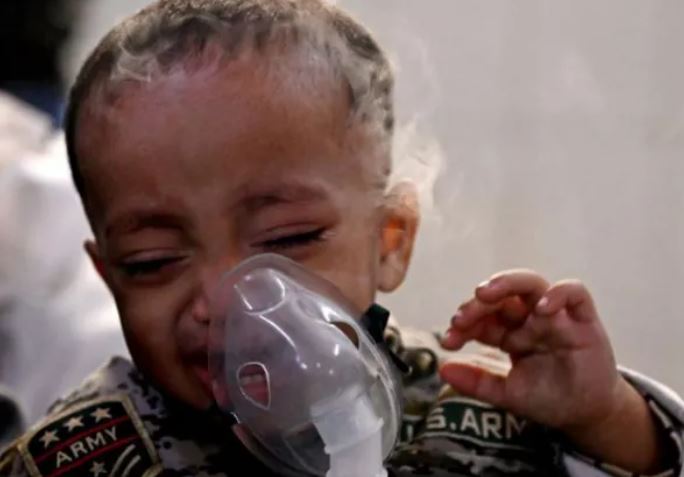
Delhi is facing a severe air pollution crisis, with toxic haze affecting all residents, particularly children. Paediatric clinics in Noida, near Delhi, report a surge in children suffering from coughing, sneezing, breathing difficulties, and pneumonia since October, when air quality levels reached hazardous ranges. The city’s Air Quality Index (AQI) has hovered between 300 and 400, far above the World Health Organization’s recommended limit, causing a dramatic increase in hospital visits and emergency treatments for young children. Parents, especially of infants and toddlers, have expressed heightened anxiety over the risks posed to their children’s health, with some considering moving out of the city to escape the toxic air.
(2) Causes of Events and Issues
The worsening pollution in Delhi is the result of multiple factors, including low wind speeds, vehicle exhaust, industrial emissions, falling temperatures, and the seasonal burning of crop stubble in neighbouring states. Fine particulate matter (PM2.5) is particularly harmful to children, whose immune systems are still developing. Economically disadvantaged families are at greater risk due to living conditions near busy roads, poor ventilation, and indoor pollution from cooking fuels. Despite government measures such as halting construction, banning polluting vehicles, and attempting cloud seeding, the air quality has not improved significantly, leaving children consistently exposed to dangerous levels of pollutants.
(3) Lessons to Be Learned from Events and Issues
The crisis underscores the urgent need for comprehensive and sustained action to reduce air pollution, especially in urban areas with vulnerable populations. It highlights the importance of protecting children from environmental hazards through stricter regulations on emissions, better urban planning, and the promotion of cleaner technologies. Families are forced to take protective measures, such as keeping children indoors and using N95 masks, but long-term solutions require systemic change. The situation also emphasizes social inequalities, as children from poorer households face disproportionately high exposure, making equitable access to clean air and healthcare a critical public health priority.