
1. News related to events and topics or issues
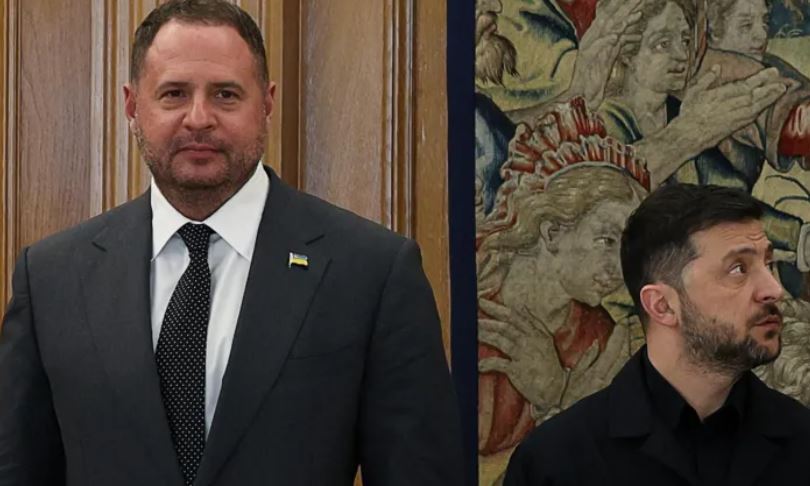
Andriy Yermak, once one of the most influential figures in Ukraine and President Volodymyr Zelensky’s powerful chief of staff, resigned abruptly after anti-corruption investigators raided his home in Kyiv. Known for his constant presence beside Zelensky, Yermak played a central role in major political decisions, foreign policy, and even wartime negotiations, including recent talks in Geneva with US Secretary of State Marco Rubio. His resignation comes amid a widening corruption scandal that has implicated senior Ukrainian officials and destabilised the government during a crucial stage of the ongoing war with Russia. The anti-corruption agencies are investigating allegations of a $100 million embezzlement scheme in the energy sector, and although Yermak denies involvement and was not named as a suspect, suspicion grew about his possible awareness of the scheme.
2. Causes of events and topics or issues
The crisis originated in July when President Zelensky pushed parliament to reduce the independence of Ukraine’s anti-corruption agencies, NABU and SAPO. The move triggered mass protests and criticism from the public and the European Union, ultimately forcing a reversal. Following their restored independence, the agencies resumed investigations that revealed large-scale corruption involving ministers and high-level officials close to Zelensky. These revelations emerged at a time when Russia is intensifying attacks on Ukraine’s energy infrastructure, worsening public frustration over corruption and governance. The raid on Yermak’s home and the seizure of his devices deepened concerns about his potential connection to the scandal, leading to his resignation and intensifying political instability within the government.
3. Lessons to be learned from events and topics or issues
This episode highlights the critical importance of maintaining strong, independent anti-corruption institutions, especially in times of national crisis. It demonstrates that public accountability cannot be compromised, even during war, and that democratic systems function best when powerful officials are not exempt from scrutiny. Ukraine’s ability to investigate one of its most powerful figures sends a message that transparency and integrity matter deeply to its citizens and allies. The situation also shows that political overreach—such as attempting to control independent institutions—can quickly erode trust and trigger backlash. Ultimately, the public response and subsequent investigation underscore that a nation’s resilience is strengthened when it continues to uphold democratic values, even under the extreme pressures of conflict.