
- 1. News related to events and topics or issues
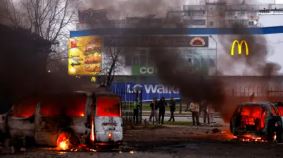
- More than 600,000 people in the Kyiv region were left without power on Saturday morning after a large-scale overnight Russian missile and drone attack. Ukraine’s energy ministry reported that over 500,000 of these outages occurred in the capital itself. Russia launched 36 missiles and nearly 600 drones, striking energy infrastructure, residential buildings, and cities across Ukraine, leaving three dead and dozens injured, including a 13-year-old child. Loud explosions rocked Kyiv, and emergency services battled fires in damaged apartment blocks. Despite the destruction, energy provider DTEK said power had been restored to over 360,000 homes. Ukraine’s Air Force said it shot down 558 drones and 19 missiles, though many still reached their targets. The attack came as temperatures in Kyiv dropped toward freezing and winter power shortages loomed.
- 2. Causes of events and topics or issues
- Russia’s intensified strikes stem from its strategy to weaken Ukraine’s energy infrastructure and civilian resilience ahead of winter, while also pressuring Kyiv during ongoing diplomatic negotiations. Moscow claimed it targeted military-industrial facilities and related energy networks, though residential buildings were also hit. Ukraine, meanwhile, has conducted counterstrikes on Russian energy infrastructure, such as oil depots and refineries, aiming to limit Moscow’s war revenue. These escalating attacks occur as US-led peace talks gain momentum: Washington has been pushing for a draft peace plan revised after negotiations with Ukraine and European partners. Russia, however, insists that Ukraine withdraw from territories claimed by Moscow before it will halt its offensive, creating tension around the diplomatic process.
- 3. Lessons to be learned from events and topics or issues
- The situation highlights how critical infrastructure becomes a central battleground in modern warfare, especially during winter when civilian survival depends on energy security. It shows the need for strong air-defence systems and resilient electrical networks capable of withstanding repeated assaults. The events also reflect how military pressure and diplomatic negotiations often unfold simultaneously, with battlefield actions used to gain leverage at the negotiating table. Additionally, Ukraine’s targeted strikes on Russian energy assets underscore the evolving nature of asymmetric warfare. Overall, the attacks illustrate the importance of international support, strategic resilience, and diplomatic unity as Ukraine faces another harsh winter under assault.