

1. News related to events and topics or issues
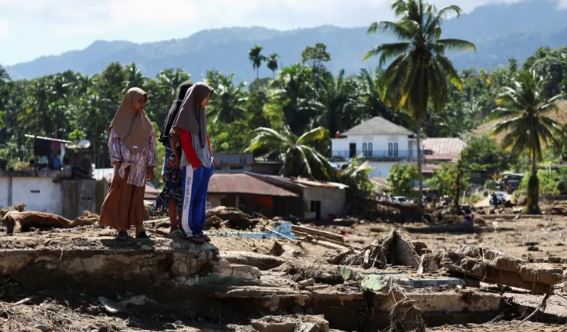
Indonesia has been devastated by severe floods that have killed more than 500 people, with another 500 still missing and 1.4 million affected across Aceh, North Sumatra, and West Sumatra. Caused by a rare cyclone over the Malacca Strait, the floods destroyed roads, bridges, and entire communities, leaving thousands isolated without food, clean water, or communications. Survivors described the disaster as “like a tsunami,” while rescue workers struggled to reach remote areas on foot and motorcycles. Families waited desperately for news of missing loved ones, with many fearing the worst as mud and debris covered entire regions. Anger has grown over delays in aid delivery and the slow government response, even as President Prabowo Subianto toured affected zones and promised resilience and national solidarity. Across Asia, similar storms and torrential rains have caused over 1,100 deaths in Sri Lanka, Thailand, and other countries.
2. Causes of events and topics or issues
The floods were triggered by a combination of unusual and intense weather systems. A highly rare cyclone—Cyclonic Storm Senyar—formed unusually close to the equator, amplifying the northeast monsoon rains and dumping more than a metre of rainfall on parts of Sumatra and the Malay Peninsula. At the same time, Sri Lanka was struck by Cyclonic Storm Ditwah, which stalled and delivered extreme rainfall. In Vietnam, ex-Typhoon Koto added to already saturated conditions. BBC Weather notes that no single storm caused the regional disaster; instead, a convergence of monsoon effects, slow-moving cyclones, and unusually wet conditions across Southeast Asia created devastating outcomes. Climate change is also likely a contributing factor, since warming increases the intensity of storms and the amount of rainfall they carry, making floods more destructive even if the total number of storms does not increase.
3. Lessons to be learned from events and topics or issues
The disaster highlights the urgent need for stronger disaster preparedness, faster aid distribution, and improved infrastructure to withstand extreme weather events. It also underscores the importance of early warning systems and crisis communication networks, especially in remote regions where people were left without basic supplies for days. The regional nature of the floods shows that climate-related disasters increasingly transcend borders, demanding better international coordination and climate resilience planning. Finally, this tragedy is a reminder that climate change is already intensifying natural hazards, and countries must accelerate adaptation measures—such as flood defenses, emergency logistics, and climate-resilient urban planning—to protect vulnerable populations.