1. News related to events and topics or issues
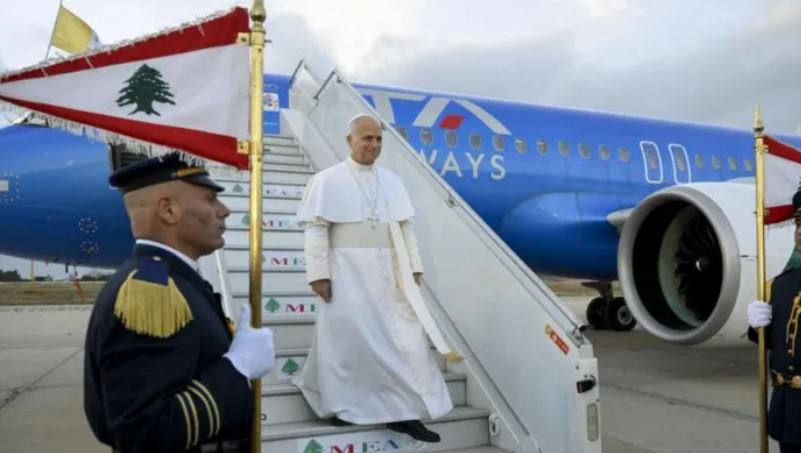
Pope Leo XIV has arrived in Beirut, Lebanon, just a week after Israeli air strikes hit the capital, marking a bold and symbolic first foreign trip for a leader known for measured actions. Before arriving in Lebanon, he spent three days in Turkey, where his calm, thoughtful diplomatic style became more visible. Throughout the trip, Pope Leo has interacted gently with journalists, visited Christian minority communities, and delivered messages emphasizing peace and unity. In Lebanon, he was warmly welcomed by people of all major faiths, including Christians, Muslims, Druze, and even Hezbollah, which expressed appreciation for his visit. His schedule includes meetings with religious and political leaders as he positions himself as a global bridge-builder at a time of regional conflict and internal Vatican divisions.
2. Causes of events and topics or issues
The Pope’s visit comes at a time when Lebanon faces deep political instability, economic collapse, governance failures, and the impacts of regional warfare, especially the recent Israeli strikes. His arrival is motivated by a desire to strengthen peace efforts, support Lebanon’s struggling Christian community, and promote interfaith harmony amid growing sectarian and geopolitical tensions. His diplomatic statements during the trip reflect global concerns: he criticized powerful nations for fueling conflicts, warned about the misuse of religion to justify violence, and advocated for a two-state solution in the Israel-Palestine conflict. The internal divisions within the Catholic Church and heightened expectations surrounding a new pope also shape the tone of his actions and messages.
3. Lessons to be learned from events and topics or issues
The visit highlights the importance of moral leadership during times of war and political crisis, showing how symbolic gestures can provide hope to populations who feel abandoned. It also reinforces that religious leaders have a responsibility to reject violence, encourage dialogue, and promote coexistence among diverse faiths. At the same time, the mixed responses—including disappointment from communities expecting more direct attention—illustrate the limits of diplomacy and the challenges any leader faces in addressing all expectations. Pope Leo’s approach suggests that careful dialogue, listening, and thoughtful communication are vital tools for peacebuilding, especially in regions where one misstep can escalate tensions. His trip underscores the need for global cooperation, restraint, and empathy in navigating modern conflicts.