
1. News related to events and topics or issues
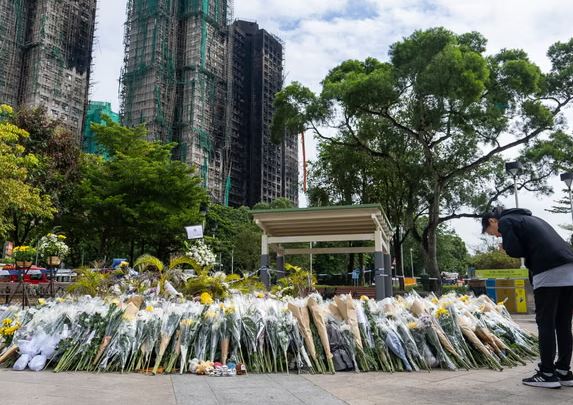
Hong Kong authorities have arrested 13 people on suspicion of manslaughter following the city’s deadliest fire in 75 years at the Wang Fuk Court estate in Tai Po, where at least 151 people have died and around 40 remain missing. The arrests include directors and an engineering consultant of the construction company responsible for extensive renovations at the estate, which are suspected to have contributed to the fire. Investigations revealed that scaffolding netting used around the towers did not meet fire-retardant standards and may have been intentionally placed in hard-to-inspect locations to evade detection. Alongside the manslaughter probe, controversy has erupted after at least two civilians—including student Miles Kwan and former district councillor Kenneth Cheung—were arrested under national security laws for calling for accountability or posting petitions online.
2. Causes of events and topics or issues
The primary cause of the disaster appears to be linked to serious safety violations during ongoing renovations at the residential complex. Authorities found that fire-noncompliant, cheaper netting had been installed to cut costs, and residents had complained about renovation hazards for a year. Further anger has been fueled by allegations that government departments had repeatedly issued warnings about safety risks but failed to enforce them. The arrests of civilians stem from heightened political sensitivity, as national security authorities claim that online comments and petitions could incite “anti-China sentiment,” reflecting Hong Kong’s increasingly strict enforcement of national security laws since 2019. The government’s response mirrors mainland China’s approach of suppressing public criticism, leading to concerns about shrinking space for civic expression even during a humanitarian crisis.
3. Lessons to be learned from events and topics or issues
This tragedy highlights the crucial importance of rigorous safety enforcement, transparent governance, and accountability in public infrastructure projects. It demonstrates how ignoring resident complaints and allowing companies to cut corners can lead to catastrophic loss of life. The incident also reveals the dangers of using national security frameworks to silence legitimate public concern, as it may erode public trust and discourage necessary scrutiny that helps prevent future disasters. Another lesson is that suppressing questions instead of addressing systemic failures undermines governance and may hinder future disaster response efforts. Ultimately, the situation underscores that public safety depends not only on strict laws but on their proper enforcement, open communication, and the prioritization of human life over political sensitivity.