

1. News related to events and topics or issues
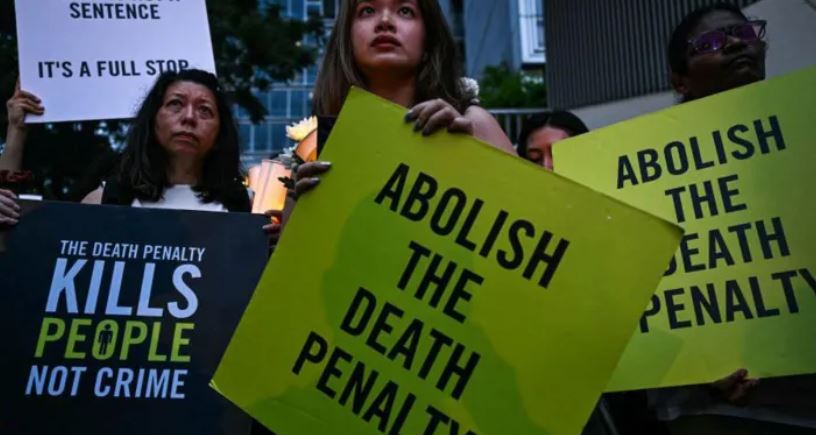
Singapore executed three people for drug offences last week, bringing the total number of executions this year to 17 — the highest since 2003. These executions took place just a week before a major constitutional challenge against the mandatory death penalty for drug offences is scheduled to be heard. Singapore enforces some of the world’s strictest anti-drug laws, prescribing automatic death sentences for trafficking certain quantities of heroin, cocaine, methamphetamine, and cannabis. Among those executed was Malaysian driver Saminathan Selvaraju, convicted of transporting over 300g of heroin in 2013. His defence was rejected, and his clemency appeal was dismissed. Activists, lawyers, international human rights groups, and even the EU have criticized Singapore for continuing executions for drug crimes, which they say target low-level couriers rather than drug kingpins.
2. Causes of events and topics or issues
The surge in executions stems from Singapore’s long-standing belief that harsh punishments are necessary to deter drug trafficking and prevent social harm. The government argues that removing the death penalty would result in more serious crime, drug-related deaths, and violence, especially affecting vulnerable populations such as children. Singapore’s laws include strong presumptions: anyone found with drug quantities above certain thresholds is automatically considered a trafficker unless they can prove otherwise, and anyone holding keys to a location where drugs are found is presumed to possess them. Critics challenge these presumptions as unconstitutional and unjust, arguing they violate rights to life and equal protection. The ongoing constitutional challenge is driven by arguments that mandatory death sentences punish minor participants while allowing major traffickers to remain untouched.
3. Lessons to be learned from events and topics or issues
This issue highlights broader global debates about justice, human rights, and the effectiveness of capital punishment. One lesson is the need to evaluate whether mandatory death penalties truly deter crime or simply punish the most vulnerable individuals in the drug trade. The case also shows how legal presumptions can shift the burden onto the accused, raising questions about fairness and due process. Another lesson is the importance of considering international norms: many countries now limit the death penalty to only the “most serious crimes,” typically involving intentional killing. Singapore’s continued use of executions, despite international criticism, emphasizes the tension between national security priorities and human rights standards. Finally, the situation underscores the need for more equitable drug policies that address root causes such as poverty, exploitation, and organized crime rather than focusing solely on harsh punishments