

1. News related to events and topics or issues
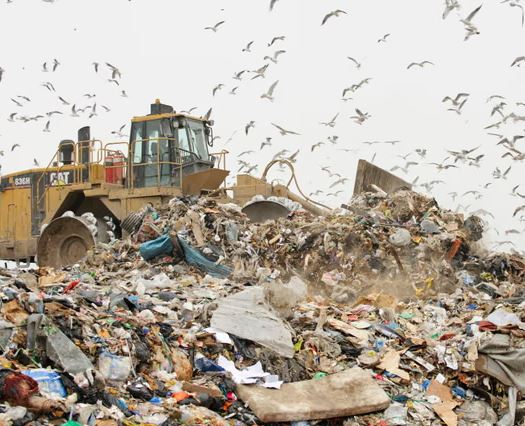
A new investigation has revealed that thousands of landfills across the UK and Europe are located in floodplains, posing a major environmental and public health risk. Mapping conducted by the Guardian and partners found more than 61,000 landfills, with 28% situated in flood-vulnerable areas, and modelling suggests the true number of at-risk sites could reach 140,000. Many of these landfills—especially older ones—lack modern pollution-control systems, increasing the possibility of toxic waste, plastics, PFAS “forever chemicals”, heavy metals, and medical waste leaking into rivers, groundwater, soil, and ecosystems. Evidence of pollution has already been found in the UK, Greece and other parts of Europe, and several sites lie close to drinking-water sources and protected conservation areas. Authorities, researchers and the WHO have raised alarm as climate change continues to intensify flooding, erosion and storm surges, further exposing these sites.
2. Causes of events and topics or issues
The growing threat originates primarily from historic landfills built before modern environmental regulations, many of which lack liners or containment barriers to prevent chemical leaching. Climate change is worsening the situation by increasing the frequency and severity of floods, coastal erosion, and extreme weather, which can wash toxic waste into natural systems. Europe’s fragmented and inconsistent landfill record-keeping has also contributed to the problem, making it difficult to identify which sites pose the greatest danger. In addition, illegal waste dumping, a rapidly growing form of organised crime in Europe, has created new polluted sites outside regulatory control. Agricultural run-off, industrial waste, and other local pollution sources further complicate efforts to trace contamination back to specific landfills.
3. Lessons to be learned from events and topics or issues
This investigation highlights the urgent need for comprehensive landfill mapping, stronger data transparency, and better monitoring systems to assess pollution risks—especially in the context of climate change. Governments must prioritise upgrading or safely managing high-risk historic landfills, improving flood resilience, and investing in long-term waste-management reforms. Strengthening regulations, tackling illegal dumping networks, and expanding recycling and circular-economy strategies will reduce reliance on landfills in the future. The findings also underline the importance of protecting drinking water sources, ecosystems, and vulnerable communities, many of whom live near old landfill sites. Ultimately, addressing these risks requires coordinated action across national governments, environmental agencies, and the broader European Union.