
1. News related to events and topics or issues
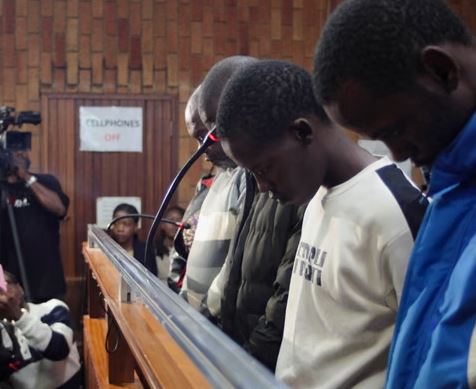
Five South Africans have appeared in court on charges linked to recruiting and sending individuals to fight for Russia in its war against Ukraine. The arrests followed a series of operations at OR Tambo International Airport, where several suspects were detained while attempting to travel to Russia. One woman was arrested upon arrival on Thursday, with three more suspects detained on Friday and another on Saturday. The accused—Nonkululeko Mantula, Thulani Mazibuko, Xolani Ntuli, Siphamandla Tshabalala and Sfiso Mabena—were remanded in custody, with bail hearings set for 8 December. The case emerged amid allegations that 17 South Africans had been misled into joining frontline combat in eastern Ukraine.
2. Causes of events and topics or issues
The arrests stemmed from a tip-off that three men travelling through the UAE to Russia were being recruited illegally for military participation. A preliminary investigation revealed that a South African woman had been facilitating travel and recruitment for the Russian military, violating South African laws that prohibit citizens from serving foreign armies without government approval. The case deepened after competing affidavits from former President Jacob Zuma’s daughters, involving allegations that 17 men—including eight Zuma relatives—were recruited under false pretences. They were allegedly told they would receive bodyguard training for the MK party. Conflicting claims suggest deception within the recruitment chain, with one Zuma daughter saying she herself had been misled after attending a month-long course in Russia. Social media activity, political connections, and links to organisations under EU sanctions further complicated the investigation.
3. Lessons to be learned from events and topics or issues
This incident highlights the importance of strong oversight and vigilance to prevent citizens from being exploited or illegally recruited into foreign conflicts. It underscores the need for clearer monitoring of organisations and individuals facilitating cross-border training or travel linked to military activity. The case also demonstrates how misinformation, political influence, and lack of transparency can put vulnerable people at risk. Strengthening law enforcement cooperation, improving public awareness about illegal military recruitment, and ensuring accountability within political and social networks are essential to prevent similar incidents. It also shows the broader risks posed by disinformation networks operating under the guise of journalism or international cooperation.