

1. News related to events and topics or issues
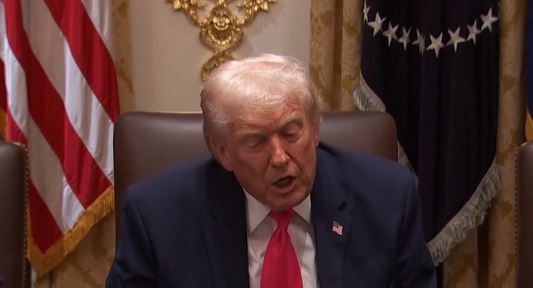
US President Donald Trump has intensified his rhetoric against Somali immigrants, saying they should “go back to where they came from” and calling Somalia “barely a country”. His remarks come as immigration authorities prepare a targeted enforcement operation in Minnesota’s large Somali community, where about 80,000 Somali-origin residents live—most of whom are US citizens. The planned ICE operation has triggered strong reactions from Minnesota officials, who warn it may violate due process and unfairly target citizens. Trump also renewed attacks on Congresswoman Ilhan Omar and announced broader immigration crackdowns, including ending Temporary Protected Status for Somali migrants, reviewing visas and green cards, and proposing new travel bans. Local leaders in Minnesota and Somalia’s foreign affairs minister have condemned the comments and actions.
2. Causes of events and topics or issues
The growing tension stems from Trump’s long-standing hardline stance on immigration, amplified by recent incidents such as the Washington DC shooting allegedly involving an Afghan immigrant. His administration has used these events to justify expanded enforcement, increased scrutiny of visa programs, and calls for additional travel bans. Politically, Trump has repeatedly targeted Minnesota’s Somali community, which tends to support Democratic leaders, making it a focal point in broader partisan battles. The move to revoke TPS for Somalis and investigate alleged fraud in Minnesota reflects the administration’s push to limit immigration from countries Trump characterizes as unstable or dangerous. At the same time, unverified reports and political narratives have contributed to fear, misinformation, and community distrust.
3. Lessons to be learned from events and topics or issues
This situation underscores how political rhetoric can heighten divisions, fuel xenophobia, and create fear among immigrant communities—especially when many affected individuals are American citizens. It highlights the importance of responsible leadership, accurate information, and careful policymaking to avoid unjust targeting of communities based on ethnicity or origin. The events also show the need to balance national security concerns with civil rights, due process, and community trust. Finally, the controversy demonstrates how immigration policy can become a tool for political conflict, and serves as a reminder that broad enforcement actions should be grounded in fairness, transparency, and respect for constitutional protections.