1. News related to events and topics or issues
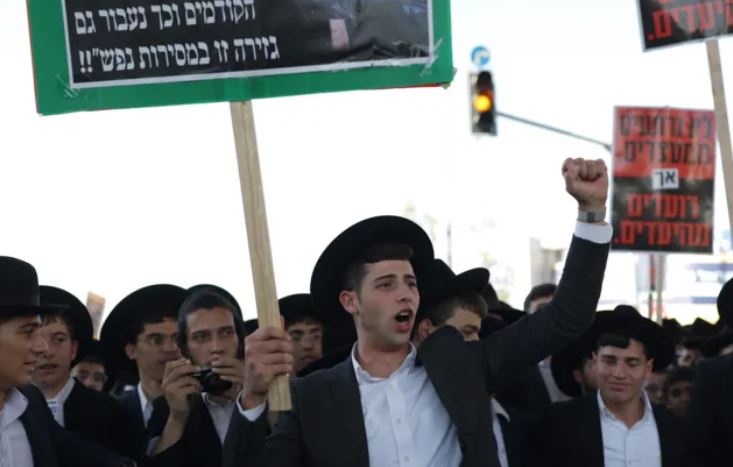
Israel is witnessing growing tensions as lawmakers debate a new draft bill aimed at conscripting ultra-Orthodox (Haredi) men into the military. Recent weeks have seen large street protests, clashes with police, and attacks on Haredi politicians due to anger over the proposed law. Military Police officers were even rescued from a hostile crowd when attempting to arrest a suspected draft-evader. The bill, introduced by Prime Minister Benjamin Netanyahu’s coalition, seeks to draft 10,000 yeshiva students within two years, sparking widespread debate. Polls show rising public support for conscripting Haredi men, while some within Netanyahu’s coalition and opposition leaders have called the proposed law weak, unfair, or unacceptable. Ultra-Orthodox communities, however, argue that studying Torah and prayer protect Israel as effectively as military service. The issue has long divided Israeli society and continues to challenge the stability of Netanyahu’s government.
2. Causes of events and topics or issues
The primary cause of the current conflict stems from Israel’s long-standing exemption of ultra-Orthodox men from military service—an arrangement that originally applied to only a few hundred students but has expanded to around 60,000 today. As Israel’s Haredi population has grown to 14% of the nation, pressure has increased from secular, traditional, and even some religious groups demanding equal responsibility in national defense. The Gaza war intensified scrutiny, as many Israelis feel the military burden is unfairly placed on non-Haredi soldiers and reservists. Political motivations also fuel the dispute: Haredi parties are essential to Netanyahu’s governing coalition and seek to preserve exemptions, while critics say the proposed bill merely maintains the status quo. Social, religious, and demographic shifts add further strain, contributing to protests, distrust, and clashes between security forces and ultra-Orthodox communities.
3. Lessons to be learned from events and topics or issues
This situation highlights the complex challenge of balancing religious freedom, cultural identity, and national responsibility within a diverse society. It shows that when one segment of the population feels unfairly burdened, societal unity weakens. The conflict demonstrates the need for inclusive policies that respect tradition while adapting to modern realities, especially in times of war. It also reveals the importance of dialogue between secular and religious communities, as mutual understanding can prevent violence and deepen civic cooperation. Finally, the debate over the draft underlines a broader lesson: long-standing exemptions or privileges must evolve with changing demographics to maintain fairness, national cohesion, and trust in democratic institutions.